Skip to content
How to Build the Perfect Digital Nomad Work Routine
The digital nomad lifestyle has grown rapidly in recent years. Millions of professionals now work remotely while traveling the world. A digital nomad is a location-independent worker who uses technology to do their job from anywhere. They move between countries, cities, and co-working spaces instead of going to a fixed office.
This lifestyle offers freedom and flexibility. But it also brings challenges. Most digital nomads struggle with one major issue: keeping a consistent work routine. Constant travel, new environments, and irregular schedules make it hard to stay productive. (Wikipedia)
After interviewing dozens of successful long-term nomads. I noticed a clear pattern. Many shared the same habits and challenges. I also tested countless approaches myself during my travels. Through this process, I learned an important lesson. The difference between thriving and burning out comes down to one core skill. You must know how to build a work-travel routine that adjusts to every new place you visit. This routine should stay flexible as your environment changes. At the same time, it must keep your productivity strong. Using inspiring spaces like Sea View Coworking can help maintain focus. When you master this balance, your digital nomad journey becomes smoother and more sustainable.
Finding Your Digital Nomad Work Routine: Balancing Work and Exploration
Before you start blocking calendar time or searching for the ideal co-working space, pause for a moment. Many new digital nomads rush into planning tools and schedules. But they often miss the bigger point. Becoming location-independent is not just about tools or places. It requires a full shift in mindset. You must rethink how you view routine. You must rebuild the way you manage your day. This new lifestyle demands flexibility, awareness, and discipline. When you reimagine your relationship with routine, everything else becomes easier to structure.
The Productivity Paradox in a Digital Nomad Work Routine
The freedom that attracts us to nomadic life is also what hurts our productivity in the beginning. Many people love the idea of working from anywhere. But this same freedom often creates disorder and distraction. Remote workers who follow clear routines consistently report higher productivity. They get more done and feel more stable. In contrast, workers without structured days struggle to stay focused.
For digital nomads, this problem becomes even bigger. Travel creates constant change. New places, new time zones, and new environments make building routines very difficult. This ongoing shift challenges even the most disciplined travelers. The most common mistake is simple. People assume their home productivity system will work the same way in nomadic life. But it rarely does. Productivity coach Marisa Tong, who has spent years living and working as a nomad, explains this clearly.
She warns that a home-based system is built for stability. Nomadic life is the opposite. New cities, shifting schedules, and unfamiliar environments disrupt old habits. That is why these systems often fail. She recommends creating routines that include flexibility from the very beginning. Your daily structure should be adaptable, not rigid. Nomads need systems that adjust quickly. Only then can you maintain strong productivity while constantly moving.
Your solution begins with accepting the adjustment curve. Every new location brings new rhythms and challenges. Most successful long-term nomads know this well. They spend the first few days settling in and building a fresh routine. They do not expect instant focus or perfect workflow. Instead, they give themselves time to explore the area, understand their surroundings, and set up a workable schedule. You should do the same. Add this transition period to your travel plans
. Do not expect peak productivity on the day you arrive. Allow space to adjust, and your work quality will stay steady no matter where you go.
Key takeaway: Accept that productivity dips during the first few days of location changes. Plan for a transition period rather than expecting immediate peak performance.
How to Structure Your Digital Nomad Work Routine: Time Blocking vs. Location Blocking
After testing both approaches extensively. I’ve found the most successful digital nomads use a hybrid system that combines:
- Time blocking: Scheduling fixed work hours can be very effective. This approach works best for client-facing roles or team collaborations. It ensures everyone knows when you are available. Fixed hours create structure, even while traveling. They help maintain productivity and meet professional commitments reliably.
- Location blocking: Designating specific environments for different types of work can boost efficiency. This strategy is ideal for creative professionals or those handling independent projects. Certain spaces can inspire focus or creativity. Others may be better for analytical or administrative tasks. Matching the right environment to the task helps maintain productivity and enhances work quality.
Jodie Chen, a software developer who has worked remotely in many countries, shares a helpful strategy. She protects her morning hours for deep work. For her, the best window is 6 to 10 AM. These hours are quiet and distraction-free. She treats this time as sacred. No matter where she is, she keeps this block for focused tasks only. At the same time, she stays flexible with her workspace. Some days she works in a café. Other days she chooses a coworking space or her rental. The location changes, but the protected time does not. This balance helps her stay productive while traveling.
Key takeaway: Combine time blocking and location blocking for a flexible yet structured system. Fixed hours and designated spaces help you stay productive and adapt to any environment.

Building a Digital Nomad Work Routine That Adapts to Different Destinations
The secret to nomadic productivity isn’t finding one perfect routine. It’s building a portfolio of routines you can deploy based on your location’s unique characteristics.
How Destination Factors Shape Your Digital Nomad Work Routine
Your ideal workday should flex with these destination variables:
- Time zone offset: If your destination is 6+ hours from clients, try split shifts. Work early morning and evening, leaving midday for exploration. This keeps you productive while enjoying your location.
- Climate factors:In tropical locations, plan intensive work during afternoon rain or extreme heat. This way, you stay productive while avoiding uncomfortable conditions. It also frees cooler, pleasant times for exploring
- Local rhythms: Align with, don’t fight against, siesta cultures, market days, or weekend patterns
Barcelona-based nomad community founder Sara Lawson suggests building a personal “first 72 hours protocol” for every new destination. This simple system helps you settle in fast. She follows it every time she arrives somewhere new. Her process starts with checking three key things. First, she finds the best local work spots with strong and reliable wifi. Second, she looks at the weather patterns for that season so she can plan her days wisely. Third, she checks any unique local routines, such as late-night dining habits or siesta hours. These small details shape your daily schedule. By handling them early, she avoids confusion later and settles into a smooth work rhythm much faster.This approach paid off when I relocated to Mexico City last year. By understanding the afternoon downpours during rainy season. I scheduled my heaviest work blocks during these hours, saving mornings for exploration when the skies were clear.
Key takeaway: search each new destination’s time zones, weather, and local schedules. Use this information to tailor your work routine. This helps maximize productivity and exploration opportunities.
Workspace Strategies That Strengthen Your Digital Nomad Work Routine
After studying hundreds of nomads’ work patterns. I’ve identified that most digital nomads need three distinct workspace types:
- Deep focus sanctuary: For your most demanding cognitive tasks (ideally your accommodation or a reliable coworking space)
- Light work habitat: For emails, planning, and administrative tasks (cafés, public spaces, or hotel lobbies)
- Creativity catalyst: For brainstorming and problem-solving (unique local spots that stimulate new thinking)
Your first step is to identify which environmental factors help you do each type of work. Some tasks need silence, others need energy and background activity. Once you know what works best, find spaces in your new location that match those needs. Research and save these options before your trip. Categorize them by purpose, such as quiet spots for deep work or lively cafés for brainstorming. This preparation ensures you are never scrambling to find a reliable place. You’ll always have a trusted spot for that important client call or focus session.
Many digital nomads move their primary work location often. This constant shifting can disrupt their daily routine. The most successful nomads avoid this problem by defining their non-negotiable workspace needs. These needs stay the same no matter where they are. Some require natural light. Others need ergonomic seating. Some thrive with specific ambient noise levels. By knowing these essentials, they can quickly find suitable spaces in any city. This strategy keeps their productivity consistent despite frequent moves.
Key takeaway: Identify three essential workspace types you need for different tasks, then systematically find matching spaces in each new location to maintain consistent work conditions.
How to Make Your Digital Nomad Work Routine Stick While Traveling
The true challenge isn’t creating a routine. It’s maintaining one through constant change. This requires psychological tools as much as practical ones.
The Habit Anchor Method: Consistent Triggers That Work Regardless of Location
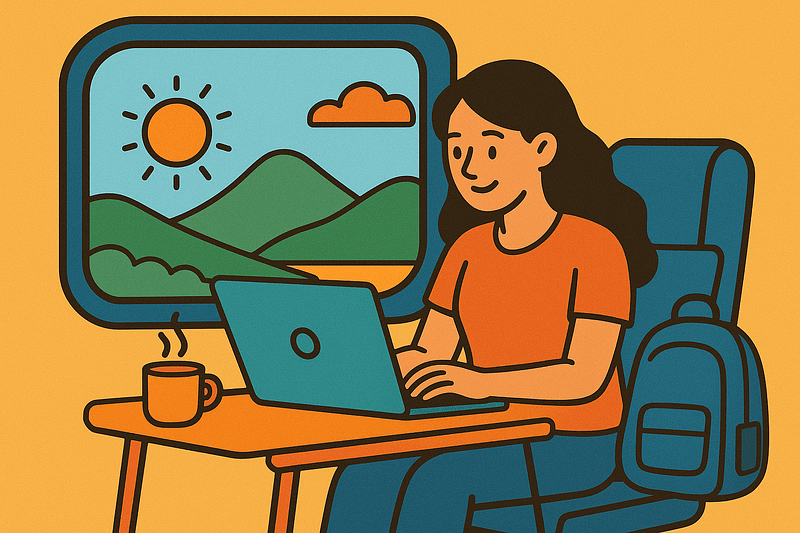
Consistent morning routines can help lower stress for location-independent professionals. They provide structure in an otherwise unpredictable lifestyle. The secret is using portable habit anchors. These are consistent sensory cues that tell your brain it’s time to work. It could be a specific playlist, a morning coffee ritual, or a favorite workspace setup. The key is that these cues travel with you. No matter where you are, they signal focus and readiness. This helps maintain productivity and reduces stress while on the move.
Effective portable anchors include:
- Sensory cues: A specific playlist, essential oil, or even a consistent workspace setup
- Ritual sequences: A mini-routine that precedes work (e.g., making tea, setting up your workspace, and reviewing your daily plan)
- Physical objects: Items that travel with you and signal “work mode” (favorite notebook, specific headphones, or even a dedicated work sweater)
Digital nomad Patricia Wang highlights the power of a consistent morning routine. She follows it no matter where she works in the world. Her routine includes simple rituals like stretching, journaling, and enjoying coffee. These actions act as mental cues that signal it’s time to focus. They prepare her for productive work in any environment. Whether she’s in a villa in Bali or an apartment in Lisbon, her routine stays the same. This consistency helps her maintain high productivity and focus while traveling.
Key takeaway: Create portable sensory anchors and rituals that travel with you. These consistent triggers help your brain transition into work mode regardless of location.
Recovery Protocols: Preventing Burnout and Maintaining Creativity During Constant Transitions
The most overlooked part of sustainable nomad routines is structured recovery. Many focus on work but neglect rest. Burnout is a serious risk. It means emotional, physical, or mental exhaustion from prolonged stress. For digital nomads, burnout is even more likely. Constantly navigating new cities and environments adds extra cognitive load. This makes intentional downtime crucial. Without it, productivity and well-being can quickly decline. Planning recovery into your routine helps maintain balance and long-term success.
Build these recovery elements into your digital nomad routine:
- Transition days: Schedule zero-productivity days after travel
- Familiarity pockets: Maintain consistent elements of your routine even on exploration days
- Periodic recalibration: Schedule monthly reviews of what’s working/not working in your current location
Key takeaway: Schedule regular recovery periods to prevent burnout. Keep familiar elements in your routine for stability. This helps sustain productivity during long-term travel.
FAQ: Digital Nomad Work Routines
How do successful digital nomads handle timezone changes with client meetings?
Many digital nomads adjust their working hours with flexibility. They balance personal schedules with client commitments. However, success depends on several factors. These include the type of work, the clients’ flexibility, and strong personal boundaries. Research shows that nomads often face overlap between work and personal life. This overlap makes managing boundaries more challenging. Setting clear limits is essential to maintain productivity and prevent burnout while traveling. (ResearchGate)
Tools like World Time Buddy can help coordinate optimal meeting times across multiple time zones.
What’s the ideal length of stay in one location to maintain productivity as a digital nomad?
There is no clear consensus in academic research on a “perfect” stay duration. Some nomads and anecdotal sources suggest staying a few weeks, around 3–6 weeks. This period may give enough time to settle into routines and find reliable workspaces. However, the ideal length depends on personal work style, social needs, and travel context. Every traveler is different. Treat any fixed timeframe as a helpful guideline, not a strict rule. Flexibility is key to balancing productivity and the travel experience.
How can I find reliable workspaces when constantly changing locations?
Besides coworking spaces and cafés, nomads can explore other options. These include public libraries, hotel business centers, or local community spaces. Availability varies by location, so checking ahead is important. Several studies of digital nomads highlight one key point: proactive planning of workspace logistics is essential. Thinking ahead ensures you always have a suitable place to work. This preparation helps maintain productivity and reduces stress while on the move. (VU Research)
Your Perfect Work-Travel Routine Awaits
Creating a sustainable work-travel routine is not about strict schedules. It is also not about suppressing your adventurous spirit. Instead, it focuses on building a flexible framework. This framework supports both your professional goals and your travel lifestyle. It allows you to enjoy the freedom of nomadism while staying productive. A good routine also acknowledges the benefits and challenges of being a digital nomad. Balancing structure with flexibility is the key to long-term success.
Remember, your ideal routine will change as your digital nomad journey progresses. The most successful nomads are not those with the strictest systems. Instead, they are the ones who stay aware of their needs and surroundings. They adapt proactively to new challenges. They also balance structure with self-care. This flexibility allows them to remain productive while enjoying the freedom of nomadic life. Continuous adjustment is the key to long-term success.
Your first nomadic work routine will not be your last. Every routine evolves as you gain experience. With thoughtful design and realistic expectations, you can create a system that works. Base your approach on both research and personal experience. Doing so increases your chances of staying productive while traveling. It also helps maintain your mental health on the road. A well-planned routine makes the digital nomad lifestyle more sustainable and enjoyable.
Ready to bring more order to your nomadic lifestyle? Plan your next working adventure with TripMerge today.