Skip to content
Table of Contents
- My Methodology: How I Uncovered These Desert Gems
- Morocco’s Sahara Sanctuaries: Chegaga and M’Hamid El Ghizlane
- Peru’s Coastal Desert Oasis: The Enigmatic Huacachina
- Iran’s Ancient Desert Cities: Yazd and its Surrounding Villages
- Central Asia’s Silk Road Ghosts: The Fortresses of Khorezm, Uzbekistan
- Practicalities and Ethics of Visiting Remote Desert Villages
- Key Takeaways
- Frequently Asked Questions
- Conclusion
There’s a certain magic to the desert, a landscape many mistake for empty but which I’ve found to be full of secrets, history, and incredible resilience. Beyond the endless dunes and stark horizons lie some of the planet’s most secluded communities: hidden desert and oasis villages that seem a world away from modern civilization. These are not just places on a map; they are pockets of time, where ancient traditions persist against all odds. For years, I’ve been captivated by these remote outposts, tracing whispers on old maps and following leads from seasoned travelers to find them.
In this guide, I’ll take you through some of my favorite wishlist desert sanctuaries across Morocco, Peru, Iran, and Central Asia. We will explore everything from the practicalities of getting there to the profound cultural encounters that await, providing a blueprint for your own adventure. If you are seeking to escape the crowds, this guide is a great starting point, but for a wider view of remote retreats, be sure to explore these hidden villages around the world: off-the-map escapes from mountains to jungles.
My Methodology: How I Uncovered These Desert Gems
My process isn’t about a simple Google search; it’s a form of travel archaeology. It begins with poring over old travelogues from explorers like Freya Stark or Wilfred Thesiger, cross-referencing the names of forgotten oases with modern satellite imagery. In my experience, the most promising locations are often those that appear as small smudges of green in a sea of ochre, far from any paved road. I then spend weeks, sometimes months, connecting with a network of long-distance hikers, geologists, and archaeologists who have worked in these remote regions. Their on-the-ground knowledge is invaluable and often points me toward communities that have zero online presence.
Once I have a potential location, the real work begins: verification. This involves trying to find a local contact, often a guide or a guesthouse owner in a larger nearby town, who can confirm that a village is still inhabited and can be visited respectfully. I learned the hard way that you must acknowledge the limitations of this kind of travel; sometimes the information is outdated, or local conditions have changed. It requires patience and the flexibility to accept that not every lead pans out. But when it does, and you find yourself sharing tea with a family in a village that has stood for centuries, the effort becomes immeasurably worthwhile.
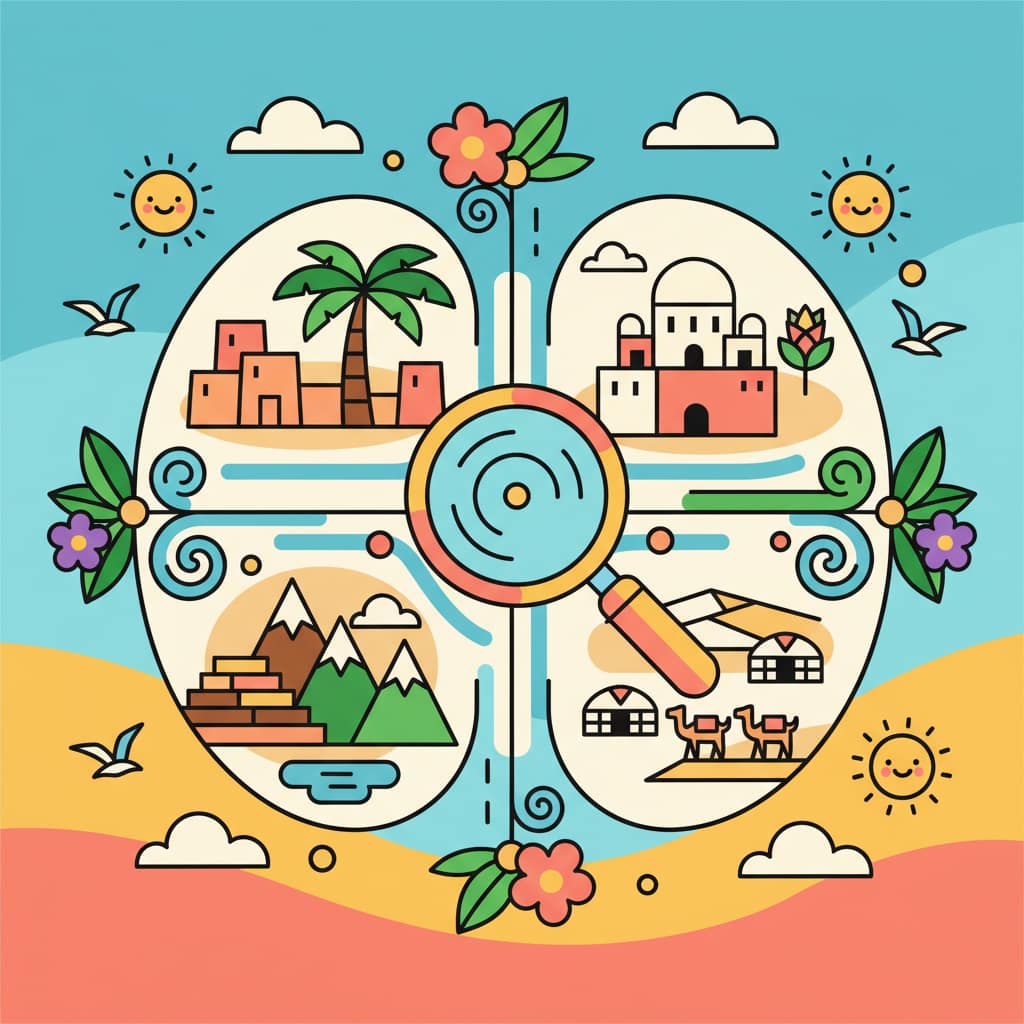
Quick Comparison of Featured Desert Destinations
| Destination | Best For | Accessibility | Key Experience |
|---|---|---|---|
| Erg Chegaga, Morocco | Raw, remote dune experience | Challenging; Requires 4×4 and guide | Sleeping in a traditional Berber camp under the stars. |
| Huacachina, Peru | Adventure and social travel | Easy; Bus access from major cities | Sunrise sandboarding and dune buggy tours. |
| Yazd & Kharanaq, Iran | History and ancient architecture | Moderate; Good base in Yazd, requires driver for villages | Exploring mud-brick ghost towns and ancient water systems. |
| Khorezm Forts, Uzbekistan | Ancient history and Silk Road buffs | Moderate; Requires a driver for a multi-day trip | Walking through the ruins of 2,000-year-old desert fortresses. |
Morocco’s Sahara Sanctuaries: Chegaga and M’Hamid El Ghizlane
When most people think of the Sahara in Morocco, they picture the dunes of Merzouga. But in my experience, the real soul of the desert lies further south, beyond the reach of most tour buses. The journey to the Erg Chegaga dunes begins where the asphalt ends, at the dusty outpost of M’Hamid El Ghizlane. This itself is one of those special hidden desert and oasis villages, the last stop before the vastness of the Sahara truly unfolds.
The Journey to Erg Chegaga: Beyond the Tourist Trail
The trip from M’Hamid to Erg Chegaga is not a simple drive; it’s a 40-mile (about 64 km) expedition across the rugged desert floor in a 4×4. As you leave M’Hamid, the landscape will quickly transform. The sparse vegetation will give way to a stark, flat plain of baked earth, then a shimmering salt flat, and finally, the first glimpses of the golden Chegaga dunes. These dunes are not as tall as Merzouga’s, but they are far more extensive and wild. You will find that the silence here is profound, a character in itself. There’s no mobile service, no electricity grid—just the wind and the stars. A lesson quickly learn: the ‘road’ is invisible to the untrained eye, and getting lost is a real danger.
Living History in M’Hamid El Ghizlane: The Last Oasis
Before heading into the dunes, spend a few days in M’Hamid, a collection of seven old kasbahs where life moves at the pace of the sun. The people here, many of whom are of Sahrawi and Berber descent, have a deep connection to the desert. They can show you how they find water and navigate by the stars. While this kind of trip might seem rugged, you can still travel with a backpacker budget, luxury feel: your guide to unforgettable stays in undiscovered villages by opting for authentic, family-run guesthouses over expensive camps.
Essential Gear Checklist for Desert Exploration
| Item | Why It’s Essential | My Pro Tip |
|---|---|---|
| Wide-Brimmed Hat & Sunglasses | Protects against intense sun exposure and glare. | Choose a hat with a chin strap—desert winds are surprisingly strong. |
| Lightweight Long-Sleeved Shirts | Offers sun protection without causing overheating. | Linen or moisture-wicking synthetic fabrics are far better than cotton. |
| Reusable Water Bottle with Filter | Hydration is critical; reduces plastic waste. | I carry a 2-liter bladder plus a 1-liter bottle to track my intake easily. |
| Portable Power Bank | Electricity is unreliable or non-existent in remote camps. | A solar-charging power bank is a lifesaver for multi-day trips off-grid. |
| First-Aid Kit | Access to medical care is limited. | Include blister treatment, rehydration salts, and any personal medications. |
Peru’s Coastal Desert Oasis: The Enigmatic Huacachina
Nestled in one of the driest places on earth, the Sechura Desert along the coast of Peru, lies the oasis of Huacachina. It’s a surreal sight: a small lagoon fringed with palm trees, encircled by colossal sand dunes. While it’s arguably the most famous village on this list, I include it because there is a side to it that most visitors miss. It has a reputation as a backpacker party town, and while that element exists, its history and the sheer majesty of its setting are often overlooked.
More Than Just a Postcard: The Reality of Huacachina
Today, it’s a hub for dune buggy tours and sandboarding. To escape the midday crowds, you need to learn to sync with the desert’s rhythm. Wake before dawn, climb the highest dune to watch the sunrise paint the sand in shades of pink and orange. In those quiet morning hours, the oasis reveals its magic. The lagoon’s water, which is believed to have curative properties, is a deep, tranquil green. According to the Organization of World Heritage Cities, the Ica region, where Huacachina is located, has a rich pre-Incan history that is often overshadowed by the nearby Nazca Lines.
The Nazca Connection: Ancient Mysteries in a Modern Oasis
What truly elevates a trip to Huacachina is its proximity to one of the world’s greatest archaeological mysteries: the Nazca Lines. Just a two-hour drive away, these geoglyphs, etched into the desert floor between 500 B.C. and A.D. 500, are a must-see. You can take a small plane to view them from the air, and the scale is breathtaking. These massive figures of animals, plants, and geometric shapes can only be fully appreciated from above. Researchers, as detailed in materials from National Geographic, are still debating their purpose, with theories ranging from astronomical calendars to ritual pathways. Pairing the adrenaline of Huacachina with the intellectual wonder of Nazca created a perfectly balanced itinerary, catering to both the thrill-seekers and the history buffs in our midst.

Iran’s Ancient Desert Cities: Yazd and its Surrounding Villages
Yazd is a masterpiece of desert architecture located in the heart of the country. This UNESCO World Heritage site is a living museum, famous for its windcatchers (badgirs), qanats (underground water channels), and labyrinthine old city made of sun-dried mud bricks. In my opinion, Yazd serves as the perfect gateway to understanding how civilizations can thrive in the most unforgiving of climates.
The Architecture of Survival: Windcatchers and Qanats
The genius of Yazd is its adaptation to the heat. You will be fascinated by the badgirs, tall towers that rise from the rooftops and funnel the slightest breeze down into the homes below, acting as a natural form of air conditioning. You can spend a day exploring the Yazd Water Museum, which is dedicated to the intricate network of qanats. These ancient channels, a testament to Persian engineering, carry water from mountains miles away to sustain the city. According to a UNESCO report, the Persian Qanat system is an exceptional testimony to a living cultural tradition. This system is not just historical; many qanats are still in use today.
Exploring Kharanaq and Chak Chak: A Journey Back in Time
The real hidden gems are the villages outside Yazd. You can take a day trip to Kharanaq, a 4,500-year-old abandoned mud-brick town that feels like a ghost city. Wander its crumbling alleys and climb a shaking minaret for a view over the valley. From there, continue to Chak Chak, a remote Zoroastrian pilgrimage site nestled into a cliff face. This location reminds me that some of the most stunning retreats are not on the coast but are in fact hidden mountain villages around the world most travelers never visit. The contrast of the green shrine against the stark, brown mountain is remarkable. These side trips offer a profound sense of history that a group of history enthusiasts would deeply appreciate, but again, required careful planning to navigate the remote roads and respect the sacredness of the sites.
Central Asia’s Silk Road Ghosts: The Fortresses of Khorezm, Uzbekistan
In the desolate expanse of the Kyzylkum Desert in western Uzbekistan lies a chain of ancient ruins known as the Elliq-Qala, or ‘Fifty Fortresses.’ This region, once the vibrant civilization of Khorezm, is now a silent landscape dotted with the remains of monumental mud-brick citadels. Your journey here can feel like stepping into a forgotten chapter of the Silk Road.
The Elliq-Qala: A Chain of Forgotten Forts
Base yourself in the city of Khiva and hire a driver for a two-day exploration of the desert forts. The most impressive were Ayaz-Kala and Toprak-Kala. Stand atop the ruins of Ayaz-Kala, looking out over the desert plains, the scale of this ancient civilization will seem staggering. These were not mere forts; they were fortified cities with palaces, temples, and residential areas. Toprak-Kala, the ancient capital, once housed thousands of people. Today, you can walk through its ghostly halls and imagine the Silk Road caravans that once passed by. This region receives far fewer visitors than the main Uzbek cities of Samarkand and Bukhara, offering a raw and authentic encounter with history.
Life Near the Aral Sea’s Remnants
This part of Uzbekistan is also profoundly shaped by one of the 20th century’s worst environmental disasters: the shrinking of the Aral Sea. While it’s a sobering reality, witnessing the ‘ship graveyard’ in Moynaq, where fishing boats lie rusting in the sand that was once the seabed, is a powerful experience. It underscores the fragility of oasis ecosystems. This adds a complex, modern layer to the historical journey. Exploring these remote areas offers a different kind of serenity than you might find in a lush rainforest, something to consider when deciding if you prefer the stark history of the desert or the dense biodiversity of one of the many hidden jungle villages around the world deep in rainforests and remote valleys. A visit here isn’t just about the past; it’s a poignant lesson on the present and future of desert communities.
Practicalities and Ethics of Visiting Remote Desert Villages
Embarking on a journey to these far-flung desert villages is immensely rewarding, but it comes with a responsibility to tread lightly and engage thoughtfully. Over my years of travel, I’ve developed a personal checklist that guides my interactions in these sensitive environments, ensuring my presence is a positive one.
The Responsible Traveler’s Checklist
First and foremost, I prioritize hiring local guides and staying in locally-owned guesthouses. This ensures that my money directly supports the community that is hosting me. Water is life in the desert, so I am extremely conscious of my consumption, often opting for short showers and always carrying a reusable water filter to avoid plastic waste. When it comes to photography, I always ask for permission before taking someone’s picture; a smile and a gesture go a long way. Cultural respect is paramount. In Morocco and Iran, this means dressing modestly, with your shoulders and knees covered, and being mindful of local customs around alcohol and social interactions. For anyone interested in sustainable visits, The International Ecotourism Society provides excellent guidelines.
The Group Travel Conundrum in Remote Areas
Organizing a group trip to a place like Erg Chegaga or Kharanaq presents a unique set of challenges. One friend might have dietary restrictions that are hard to accommodate, while another has a much lower tolerance for basic lodging. This is where the impulse to plan an epic trip can collide with the messy reality of group dynamics. I’ve learned that a successful trip hinges on pre-emptive coordination. Having a central place to jot down everyone’s needs, agree on a budget, and create a shared packing list is crucial. The isolation that makes these desert villages magical is the same quality that makes them difficult for groups. It is a different kind of challenge from planning a trip to one of the serene secret beach villages around the world you can still visit without the crowds, where amenities might be more predictable.
Industry insight: Responsible travel to remote areas is not just about environmental conservation, but also about the economic empowerment of host communities, ensuring tourism is a force for good.
Key Takeaways
- The world’s great deserts hide resilient and ancient villages that offer a profound escape from modern life.
- Successful travel to remote desert regions requires meticulous research, respect for local cultures, and a spirit of adventure.
- Destinations like Erg Chegaga (Morocco), Huacachina (Peru), Yazd (Iran), and the Khorezm Forts (Uzbekistan) provide unique insights into human adaptation and history.
- Responsible tourism is critical in these fragile environments; prioritize supporting local economies and conserving resources like water.
- Group travel to isolated areas amplifies logistical challenges, making centralized planning tools essential for aligning budgets, expectations, and itineraries.
- Beyond the popular tourist spots lie raw, authentic experiences that reward travelers willing to go the extra mile.
- The history of these villages is often written in their architecture, from Iran’s windcatchers to Uzbekistan’s mud-brick fortresses.
- Understanding the environmental context, such as the shrinking of the Aral Sea, adds a deeper, more poignant layer to the travel experience.
Frequently Asked Questions
What is the hardest part about traveling to a remote desert village?
The biggest challenge is logistics and the lack of infrastructure. This includes navigating unmarked roads, dealing with potential language barriers, and accepting limited access to amenities like running water, electricity, and Wi-Fi. For groups, this is complicated by the need to align everyone’s comfort levels and expectations. Something as simple as finding a meal that satisfies everyone can become a major task. It requires patience, flexibility, and robust pre-trip planning to mitigate these issues.
Is it safe to visit hidden desert villages in places like Iran or Morocco?
Safety is relative and requires personal responsibility. You should always check official government travel advisories before planning. Hiring a reputable local guide is the single most important safety measure you can take. They understand the culture, navigate the terrain, and act as a bridge to the local community. It’s also crucial to dress modestly and respect local religious and social norms to avoid unwanted attention. When you travel with friends, make a pact to always stick together, especially in markets or unfamiliar areas.
How do you actually find these hidden villages that aren’t on Google Maps?
It’s a multi-step process that feels like detective work. I start with historical texts, academic papers, and old travel blogs to find mentions of places. Then, I use satellite imagery on platforms like Google Earth to look for visual signs of settlements in those areas. The most crucial step is human intelligence—connecting with local guides, academics, or other travelers who have deep knowledge of a region. This network is how I verify a village’s existence and the possibility of visiting respectfully. It takes a lot more effort but leads to truly unique experiences.
What’s the best time of year to visit these desert regions?
Generally, the shoulder seasons—spring (March to May) and autumn (September to November)—are ideal for visiting most of these desert locations. During these months, the daytime temperatures are pleasant, and the nights are cool but not freezing. Summer in the Sahara, Iran, and Uzbekistan can see temperatures soar above 115°F (46°C), which is not only uncomfortable but can be dangerous. Winter can be surprisingly cold, with nighttime temperatures dropping below freezing, though the daytime is often crisp and sunny.
How can I travel to these remote desert places on a backpacker budget?
It’s entirely possible with careful planning. To keep costs down, I always opt for locally-run guesthouses or homestays over international hotels or luxury camps, which also provides a more authentic experience. Eating at local food stalls is another way to save money and taste the real cuisine. For transportation, joining a small group to share the cost of a 4×4 and driver is far more economical than hiring one alone. If you’re considering this, you might find some useful tips in this guide to unforgettable stays in undiscovered villages.
How do you respect local customs in an isolated oasis village?
Respect starts with observation and humility. I make it a point to learn a few basic phrases in the local language, like ‘hello’ and ‘thank you.’ I dress conservatively, covering my shoulders and knees, even if it’s hot. When it comes to photography, especially of people, I always ask for permission first—a simple gesture of pointing to my camera and getting a nod is sufficient. I also avoid public displays of affection and am mindful of local etiquette around mealtimes. Bringing a small gift, like tea or sweets from your home country, can be a wonderful icebreaker when visiting a family.
Conclusion
The world’s deserts are not empty spaces; they are archives of human ingenuity and resilience, cradling oases and villages that have witnessed the rise and fall of empires. From the windswept dunes of the Moroccan Sahara to the ghostly fortresses of Uzbekistan, these hidden desert and oasis villages offer a perspective that is increasingly rare in our hyper-connected world. They teach us about endurance, adaptation, and the profound beauty of simplicity.
However, the magic of discovery comes with the responsibility of meticulous planning, a task that becomes exponentially more complex when traveling with a group. Aligning budgets, managing expectations, and creating an itinerary that satisfies both the adventurer and the comfort-seeker can feel like navigating a sandstorm. Yet, these shared experiences in extraordinary locations are often the ones that forge the strongest bonds. These trips are more than just vacations; they are opportunities to learn and grow together. By tackling the planning challenges head-on, you can ensure that the journey is as memorable as the destination itself.
Start planning your next travel adventure with TripMerge →