Skip to content
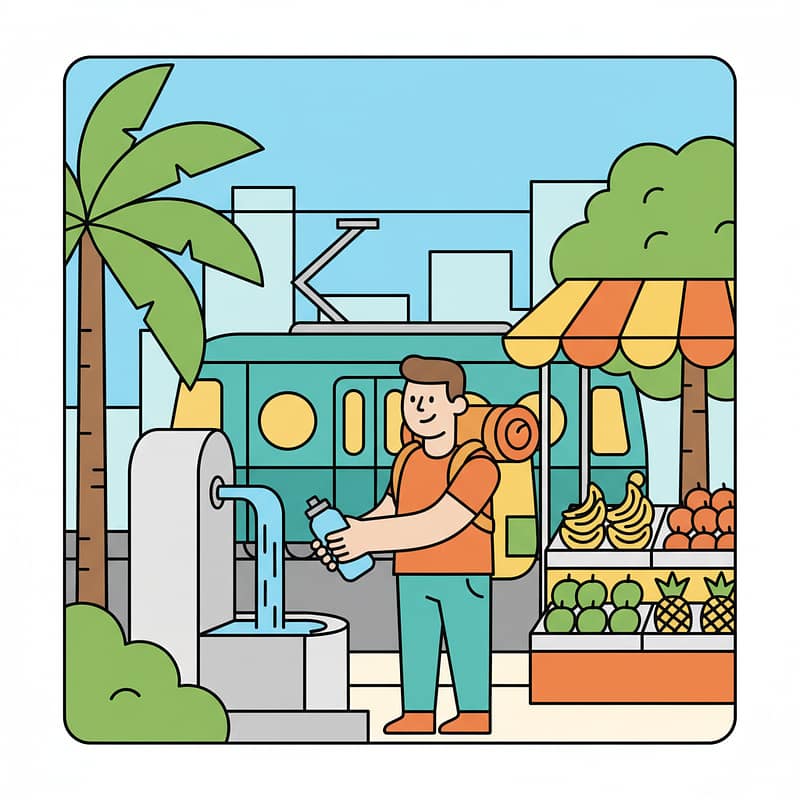
Table of Contents
- The “Eco-Tax” Myth: Why Sustainable Travel is Actually Cheaper
- Smart & Sustainable Travel Planning: A Step-by-Step Guide
- Your On-the-Ground Guide to Sustainable Comfort and Savings
- Beyond the Buzzwords: What Real Sustainable Travel Looks Like
- The Group Travel Advantage: Your Secret Weapon for Sustainability
- Frequently Asked questions (FAQ)
- Key Takeaways
- Frequently Asked Questions
- Conclusion
Let’s be honest: you’ve probably been told that sustainable travel means shelling out a fortune for a bamboo hut with a compost toilet and giving up air conditioning. I’m here to tell you that’s one of the biggest myths in the travel industry. For years, I’ve navigated the globe trying to balance my wanderlust with my conscience, and I’ve learned a powerful truth: the most sustainable choices are often the most affordable and authentic.
This guide will show you how to travel sustainably without paying “eco” prices or giving up comfort. It’s not about sacrifice; it’s about making smarter, more intentional choices that enhance your trip, deepen your connection to a place, and leave more money in your pocket. As the world shifts and we see that eco-luxury is replacing mass tourism, learning these skills is more important than ever. Ready to change the way you see the world? For group trips, getting everyone on the same page for a sustainable (and budget-friendly!) adventure can be chaos. Start with a plan. Try TripMerge‘s free tools to sync your group’s budget and schedule in minutes!
The “Eco-Tax” Myth: Why Sustainable Travel is Actually Cheaper
| Daily Sustainable Action | Estimated Daily Savings | Positive Eco-Impact |
|---|---|---|
| Use a reusable water bottle | $5 – $10 | Prevents 3-4 plastic bottles from entering waste streams |
| Eat one meal from a local market | $10 – $20 | Supports local agriculture and reduces food miles |
| Walk or use public transit | $15 – $30 | Drastically reduces your daily carbon footprint |
| Say no to plastic straws/bags | $0 – $1 | Reduces plastic pollution that harms marine life |
The idea of an “eco-tax”—a premium you pay for environmentally friendly products and services—is pervasive. But in travel, it’s often a marketing gimmick. True sustainability is about resourcefulness, efficiency, and community support, not luxury branding.
Think about it: a flight with three layovers is often cheaper but has a higher carbon footprint than a direct flight. A locally-owned restaurant using fresh, seasonal ingredients doesn’t have the shipping and overhead costs of a global chain. According to a 2022 report from Booking.com’s sustainable travel research, 66% of travelers think sustainable travel is too expensive, yet the core principles of sustainability—reducing waste, consuming locally, and using public transport—are all inherent money-savers. The trick is to sidestep the ‘greenwashed’ tourist traps and embrace authentic, local-first travel.
Many people get bogged down trying to understand the nuances, but a good starting point is knowing the difference between regenerative and sustainable travel to guide your choices.

Smart & Sustainable Travel Planning: A Step-by-Step Guide
A great sustainable trip starts long before you pack your bags. It begins with conscious planning that prioritizes both the planet and your wallet.
Choosing Your Destination (and Timing) Wisely
Overtourism is a massive strain on popular destinations, driving up prices and degrading the local environment and culture. Instead of visiting Venice in July, consider a stunning alternative like Annecy, France, in September. Traveling in the shoulder seasons (the months just before and after peak season) can cut your flight and accommodation costs by 30-50%. You’ll face fewer crowds, put less stress on local infrastructure, and get a more authentic experience. Look for destinations that are actively promoting sustainability. Many incredible places are building their tourism industry around conservation—exploring some of these amazing regenerative travel destinations that give back can be a life-changing experience and surprisingly affordable.
How to Vet and Book Genuinely Sustainable Accommodations
‘Eco-friendly’ is a label anyone can slap on a hotel listing. To find the real deal without paying a premium, use this checklist:
Look for Certifications: Check for reputable third-party certifications like Green Key Global or those recognized by the Global Sustainable Tourism Council (GSTC). This is a quick way to verify their claims.
Read the ‘About Us’ Page: Do they mention specific practices like rainwater harvesting, solar power, waste reduction programs, or community employment? Vague terms like ‘green’ are a red flag.
Prioritize Local & Small-Scale: A family-run guesthouse or a locally-owned boutique hotel circulates money directly back into the community. They often have a smaller footprint and offer a richer cultural connection than a massive, foreign-owned resort.
Check the Location: Is it walkable or close to public transport? A central location means you’ll spend less money and carbon on taxis.
Your On-the-Ground Guide to Sustainable Comfort and Savings
Once you arrive, your daily choices make the biggest difference. Here’s how to stay comfortable, save money, and be a better traveler.

Packing Light: Your First Win for Your Wallet and the Planet
Every pound in your suitcase adds to the aircraft’s fuel consumption. Packing only a carry-on saves you checked bag fees (often $30-$60 each way) and reduces your carbon footprint. It also makes navigating public transport a breeze.
Your mini sustainable travel kit:
Solid Toiletries: Shampoo, conditioner, and soap bars eliminate single-use plastics and are TSA-friendly.
Reusable Water Bottle & Coffee Cup: Avoid buying plastic bottles and disposable cups. Many cafes even offer a discount for bringing your own.
* Tote Bag: Perfect for shopping at local markets and avoiding plastic bags.
Eating and Drinking Like a Local
Skip the tourist-trap restaurants with laminated, multi-language menus. The best food is almost always found where the locals eat. Street food stalls, farmers’ markets, and small, family-run eateries are not only cheaper but also support the local economy and reduce the carbon footprint associated with importing ingredients. Plus, it’s where you’ll find the most authentic and delicious meals.
Getting Around for Less (and Seeing More)
Instead of defaulting to ride-sharing apps, embrace local transport. Walking is the best way to discover a city’s hidden gems. Renting a bike or using the subway, tram, or bus system is incredibly cost-effective and provides a real glimpse into daily life. For a group, renting one larger vehicle or using public transport together is far more sustainable (and fun) than everyone taking separate cabs. These choices also help you avoid falling into some of the traps that even conscious travelers should never do.
Beyond the Buzzwords: What Real Sustainable Travel Looks Like
Sustainable travel isn’t just about the environment. It’s a three-legged stool: environmental, social, and economic. Focusing only on your carbon footprint misses the point.
Social and Economic Sustainability: The Untapped Goldmine
This is where your travel choices have immense power. Every dollar you spend can either support a local family or get funneled to a multinational corporation overseas. Here’s how to make your money count:
Hire Local Guides: Their knowledge is unparalleled, and your money directly supports them and their family.
Shop at Local Markets: Buy your souvenirs directly from the artisans who made them.
Pay Fairly: Don’t haggle aggressively over a few cents. That small amount likely means much more to the vendor than to you.
Respect Cultural Norms: Dress appropriately, learn a few words of the local language (‘hello,’ ‘thank you’), and always ask before taking someone’s photo. This social respect is a core tenet of responsible tourism. By focusing on these areas, you contribute to a thriving local economy, which in turn helps preserve the culture and environment that attracted you in the first place.
The Group Travel Advantage: Your Secret Weapon for Sustainability
Organizing a trip for friends or family can feel like herding cats. Different budgets, mismatched expectations, and endless chat threads often lead to friction and drama. But what if I told you group travel, when managed correctly, is inherently more sustainable?
By traveling together, you’re already sharing resources. You can share airport transfers, book larger multi-room accommodations (like a villa instead of four separate hotel rooms), and buy food in larger, less-packaged quantities. The problem is coordination. Someone wants a 5-star resort while someone else is on a backpacker budget. This is where planning becomes your superpower.
Planning Your Next Group Trip the Smart, Sustainable Way
Instead of letting these differences derail your trip, use them to your advantage. Tools designed for group travel can eliminate the chaos. This is exactly why I’m building TripMerge—from my own nightmare experience planning a 9-person bachelorette party. Our TripSync tool finds the cheapest dates and locations for everyone to fly to, and TripBudget helps set realistic expectations from the start. You can use TripSplit to manage shared costs for sustainable activities without any awkwardness.
By getting aligned on a budget and priorities before you go, you can collectively decide to stay at a locally-owned guesthouse, hire a private van and local guide for a day trip, or pool money for a cooking class—all choices that are better for your wallets and the planet.
Frequently Asked questions (FAQ)
These are some of the most common questions I get about affordable sustainable travel.
| Common ‘Eco’ Assumption | Costly & Often Greenwashed | Affordable & Genuinely Sustainable |
|---|---|---|
| Accommodation | Boutique ‘Eco-Lodge’ ($300+/night) | Certified, locally-owned guesthouse ($80/night) |
| Food | Hotel restaurant with an ‘organic’ menu ($50/person) | Farmer’s market + local eatery ($15/person) |
| Tours | Large group bus tour ($100/person) | Hiring a private local guide for a small group ($150 total) |
| Transport | Frequent Ubers/Taxis ($40+/day) | Multi-day public transport pass ($15 total) |
Industry insight: The most effective sustainable travel initiatives are those that empower local communities economically, creating a vested interest in the preservation of both cultural and natural heritage.
Key Takeaways
- Sustainable travel is not inherently expensive; it’s about making smart, resourceful choices.
- Support local economies by staying at family-run hotels, eating at local restaurants, and hiring local guides.
- Reduce waste and save money by packing light and carrying a reusable water bottle, coffee cup, and shopping bag.
- Travel during the off-season or to secondary cities to avoid overtourism, save money, and have a more authentic experience.
- Use group travel to your advantage by sharing resources, but use planning tools to align on budgets and priorities beforehand to avoid drama.
Frequently Asked Questions
Is carbon offsetting my flight really worth the money?
Carbon offsetting can be a useful tool, but it’s not a ‘get out of jail free’ card. The effectiveness varies wildly between programs. It’s better to first focus on reducing your emissions directly: choose direct flights, fly economy (which has a lower per-person footprint than business class), and pack light. If you do choose to offset, research the provider thoroughly. Look for projects with Gold Standard or Verra certifications to ensure your money is funding legitimate and effective carbon reduction initiatives.
How can I be sure a hotel isn’t just ‘greenwashing’?
Greenwashing—making false or exaggerated environmental claims—is rampant. The best defense is scrutiny. Look for specificity. Instead of ‘we’re eco-friendly,’ they should say ‘we source 70% of our restaurant’s produce from local farms within a 20-mile radius.’ Check for recognized, third-party certifications. And finally, read recent guest reviews on multiple platforms, searching for keywords like ‘sustainability,’ ‘local,’ or ‘waste,’ to see what actual visitors have experienced.
What is the single most impactful thing I can do to travel more sustainably?
While flying less is the ultimate answer, for a single trip, the most impactful choice is often where your money goes. Deliberately choosing to spend your money at locally-owned businesses—guesthouses, restaurants, tour operators, and artisan shops—has a profound economic and social impact. It keeps wealth within the community, fosters cultural preservation, and ensures that the local people benefit directly from tourism, creating a positive feedback loop.
Is it more sustainable to take a train or fly for long distances?
For distances under about 300 miles (480 km), a train is almost always the more sustainable option, emitting significantly less CO2 per passenger. For longer, cross-country or international travel, flying is often the only practical option. In these cases, choose direct flights, fly with airlines that have newer, more fuel-efficient fleets, and pack as light as you can. For a deep dive, The Guardian published a great analysis comparing train and plane emissions on popular routes.
Can I travel sustainably with my family and kids without sacrificing convenience?
Absolutely! It’s a great way to teach kids about responsible travel. Focus on simple swaps: bring reusable snack containers and water bottles, choose destinations with lots of outdoor activities like national parks, and stay in apartment-style accommodations where you can cook some meals. This reduces waste and saves a lot of money. Frame it as an adventure—a ‘treasure hunt’ to find the best local bakery or a challenge to see who can produce the least trash in a day.
Conclusion
You don’t have to choose between a great vacation and a clear conscience. As we’ve seen, learning how to travel sustainably without paying “eco” prices or giving up comfort is all about being an intentional traveler. It’s about swapping overpriced tourist traps for authentic local experiences, packing smarter, and understanding that your money is a powerful tool for good. The best part? These choices don’t just help the planet—they lead to richer, more memorable, and more affordable adventures. The future of travel is thoughtful and connective, reflecting a broader trend where conscious eco-luxury is becoming the new standard.
Ready to plan a trip that’s good for your group, your budget, AND the planet? Stop the endless chats and spreadsheets. Sign up for TripMerge and start building your perfect group itinerary today.