Skip to content

Island Secrets: Remote Paradises with Fewer Than 500 Residents
The water taxi bounces over the gentle swells as Palmerston Atoll emerges on the horizon—one of those true island secrets, remote paradises hidden from the world. William Marsters, our boat captain and direct descendant of the island’s 19th-century settler, points toward a shoreline where fewer than 40 residents await—the entire population gathering to welcome rare visitors. “We only see outsiders every few weeks during the good season,” he explains, his accent a curious blend of Cook Islander and Victorian English preserved across generations.
This is the reality of life on the world’s most remote paradises—micro-islands where small communities maintain distinct cultures, pristine landscapes, and a way of life increasingly rare in our interconnected world. These tiny, secluded islands exist in splendid isolation, offering travelers an experience that goes beyond typical island getaways. Here, every interaction feels personal, every path feels untouched, and the rhythm of life moves at a pace both humbling and unforgettable.
The Allure of Micro-Island Communities
About 35–50 residents — descendants of the HMS Bounty mutineers — start their day as dawn breaks over Pitcairn Island, one of the world’s most isolated communities.
Situated roughly 3,000 miles east of New Zealand and 1,350 miles southeast of Tahiti, Pitcairn remains reachable only by ship from Mangareva, French Polynesia. These micro-islands share a magnetic appeal for travelers seeking authenticity in an increasingly homogenized world.
Discover similarly secluded gems with our TripGem interactive map of hidden destinations.
The Intimate Geography: What Makes a Micro-Island Special
Unlike their more populated counterparts, micro-islands foster extraordinary social dynamics. When the total population fits inside a single community hall, everyone knows each other—not just by name, but by life story. This close-knit structure helps preserve traditions that would otherwise fade, creating a cultural richness rarely found in more developed remote paradises. For visitors, this results in a deeply personal and authentic experience, where every interaction feels meaningful and every moment connects you to the island’s living history. For those curious about travel logistics and hidden insights before arriving, exploring our Airport Secrets article can provide fascinating behind-the-scenes tips.
These islands typically feature:
- Deeply preserved cultural traditions that have disappeared elsewhere
- Ecosystems largely untouched by mass development
- Distinctive dialects and languages found nowhere else
- Sustainable practices born of necessity in isolated environments
Research suggests that communities under 500 residents often preserve indigenous knowledge at higher rates than larger island populations, maintaining traditions that might otherwise disappear. For more on indigenous knowledge preservation, see Cultural Survival’s resources on indigenous communities.
The Practical Reality: Transportation Challenges and Visitor Limitations
Reaching these remote paradises demands determination. Tristan da Cunha in the South Atlantic accepts visitors only via a handful of supply ships each year (typically fewer than 10), which also deliver essential goods. Japanese volcanic island Aogashima receives helicopter service just twice weekly, weather permitting.
Most micro-islands operate with:
-
Limited or sporadic transportation access is typical of remote paradises
-
Carefully managed resources (water, electricity, food) to preserve the delicate balance of remote paradises
-
Visitor quotas to maintain environmental and cultural sustainability in these remote paradises
-
Minimal commercial infrastructure, keeping the charm and authenticity of remote paradises
These limitations aren’t mere drawbacks—they are vital preservation mechanisms, and they are part of what makes these remote paradises truly extraordinary. By carefully restricting development and preserving traditional ways of life, these islands safeguard not only their stunning natural beauty but also the unique cultural identity that defines them. What some travelers might perceive as minor inconveniences—limited access, fewer modern amenities, or slower pace—are, in fact, the very qualities that ensure these destinations remain authentic, untouched, and deeply memorable. It is precisely this balance between nature, culture, and simplicity that allows visitors to experience a sense of wonder and connection that is increasingly rare in today’s fast-paced world.
9 Remarkable Micro-Islands Worth Discovering Remote Paradises
Atlantic & Mediterranean Treasures
Tristan da Cunha, South Atlantic Ocean — The world’s most remote paradises inhabited island hosts about 240–250 residents

Accessible only by ship from Cape Town—a challenging 5-to-6-day voyage—Tristan da Cunha welcomes visitors strictly by advance permission from the Island Council. Life here moves at a different rhythm, with families sustaining themselves through fishing, potato farming, and a deep sense of community shaped by isolation. Volcanic hiking trails, dramatic coastal cliffs, and vast seabird colonies reward those who make the journey, offering a rare glimpse into one of the world’s true remote paradises. For travelers who reach it, the island feels like a world preserved in time—raw, authentic, and unforgettable. Learn more from the official Tristan da Cunha website.
Fair Isle, Scotland —Nestled between the Orkney and Shetland islands, Fair Isle is home to just around 65 residents yet boasts world-renowned knitting traditions that date back to the 16th century. Despite its remote location, the island is accessible by small aircraft from Tingwall Airport or by ferry from Grutness, offering visitors a truly off-the-beaten-path experience. Fair Isle is also famous for hosting Scotland’s most remote bird observatory, making it a haven for ornithologists and nature enthusiasts eager to witness rare migratory species up close.Explore Fair Isle’s official tourism site for more details.
La Graciosa, Canary Islands —Spain’s eighth Canary Island became officially recognized only in 2018, yet it still feels wonderfully untouched. Home to approximately 700 residents, this car-free haven remains one of the region’s quietest remote paradises, accessible only via a 25-minute ferry from Lanzarote. The island offers pristine golden beaches, volcanic landscapes, and crystal-clear waters—most famously at Playa de las Conchas, often ranked among Europe’s most beautiful shorelines. Its peaceful atmosphere and minimal development give visitors a rare chance to step into a world where nature still reigns completely.
Pacific Ocean Hideaways
Palmerston Atoll, Cook Islands — Around 25–30 inhabitants — all direct descendants of Englishman William Marsters, who settled in 1863 with three Polynesian wives — live on the atoll today. The island receives supply ships only two or three times a year and visiting yachts during safe-weather seasons. For more information, visit Cook Islands Tourism.
Niue — This self-governing island in free association with New Zealand maintains a population of approximately 1,600 residents and is accessible via weekly flights from Auckland. Niue offers world-class diving opportunities through its extraordinarily clear waters and extensive cave systems. Learn about sustainable tourism practices at Niue’s official tourism portal.
Aogashima, Japan — This volcanic island 200 miles south of Tokyo, hosts approximately 170 residents living within the caldera of an active volcano. Access requires a daily (weather-permitting) helicopter link from neighboring Hachijojima Island, operated by Tokyo Metropolitan Government. The community maintains traditional practices, including processing hingya salt from seawater using geothermal heat and brewing a unique shochu liquor from local flora.
Planning your journey to these remote paradises destinations? Use our TripBudget comprehensive cost estimator(coming soon) to prepare for these unique adventures.
The Irresistible Charm of Life on Tiny Islands
Life on micro-islands with fewer than 500 residents is unlike anywhere else in the world. Here, every day is shaped by the rhythms of nature and the close bonds of the community. With populations so small, residents know each other intimately—not just names, but family histories, personal stories, and shared traditions that have been passed down for generations. This deep sense of connection creates a culture that feels rare and profoundly human, a sharp contrast to the fast-paced, impersonal environments of larger cities.
The natural surroundings on these islands remain largely untouched, offering visitors pristine landscapes, clear waters, and vibrant ecosystems. From volcanic peaks and rugged cliffs to secluded beaches and coral reefs, every corner feels authentic and unspoiled. Because development is minimal, these islands offer a rare opportunity to witness both cultural and environmental preservation in action. Traditional fishing techniques, handcrafted goods, and local festivals continue to thrive, giving travelers a sense of living history.
Accessibility is intentionally limited, which adds to the islands’ charm. Arriving often requires careful planning, whether by infrequent ferry, small aircraft, or even seasonal supply ships. Yet these logistical challenges are part of the experience, reinforcing the islands’ peaceful pace and sense of isolation. Visitors learn to slow down, embrace simplicity, and appreciate the delicate balance between human life and nature.
For those who make the journey, micro-islands offer more than a vacation—they provide perspective. Every conversation, every walk along an untouched trail, every encounter with local wildlife or residents leaves a lasting impression. These remote paradises remind travelers that connection, community, and respect for the natural world are not just ideals—they are lived realities, nurtured daily by small populations committed to preserving both culture and environment.
Indian Ocean & Caribbean Gems: Exploring Remote Paradises
Rodrigues, Mauritius —Located 350 miles east of Mauritius, this autonomous outer island hosts approximately 43,000 residents, while many of its small offshore islets—true remote paradises—have fewer than 100 inhabitants. Daily flights connect from Port Louis, making the main island accessible while preserving the seclusion of its smaller neighbors. The island has pioneered sustainable tourism initiatives, including community-led marine protection areas that have successfully restored endangered coral systems. Visitors to these remote paradises can experience both the vibrancy of local life and the untouched beauty of nature in its purest form. Explore Rodrigues Tourism Authority for visitor information.
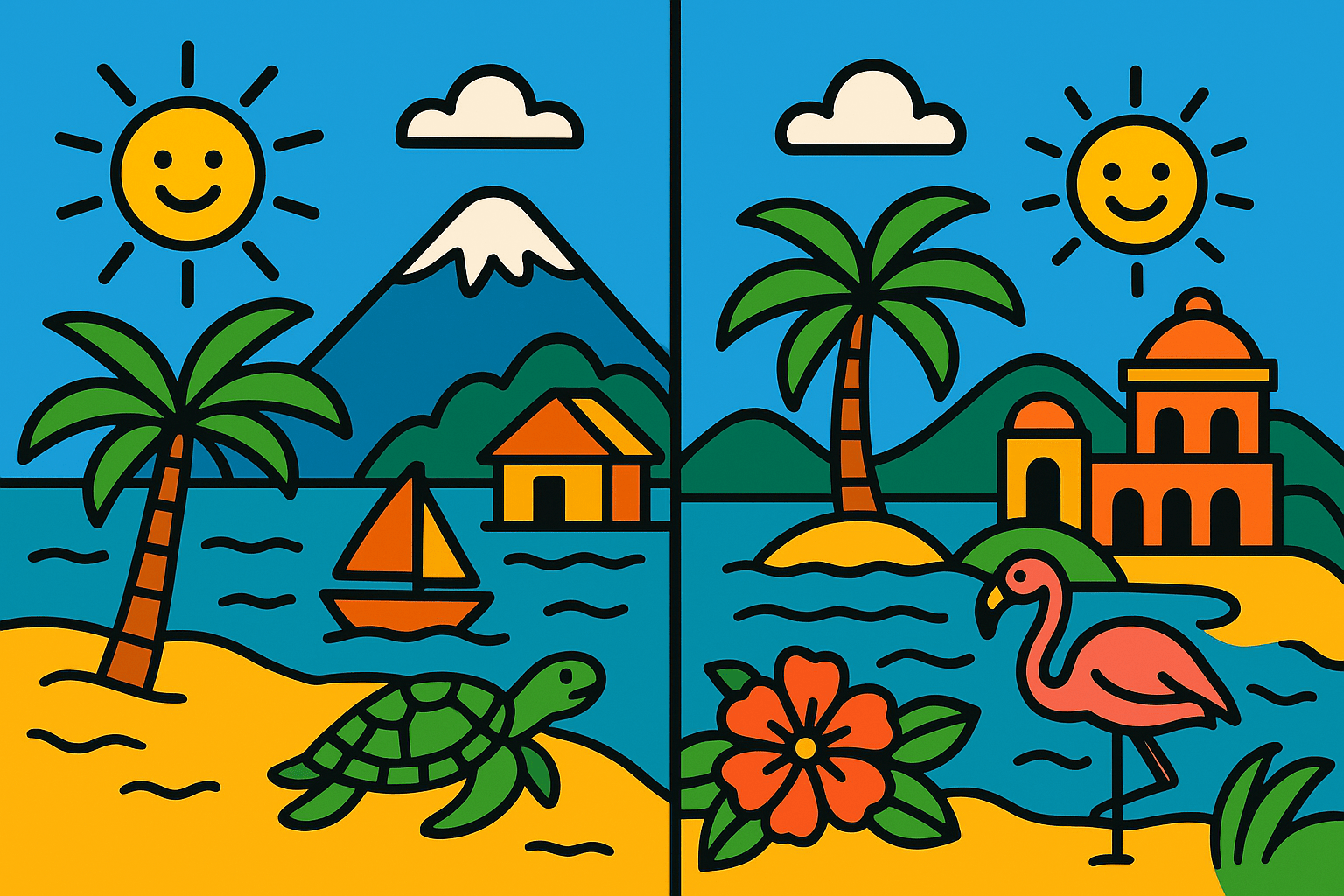
Bequia, St. Vincent and the Grenadines —This 7-square-mile island maintains a population of approximately 5,000, while several small adjacent islets—quintessential remote paradises—have fewer than 100 residents each. Access is available via regular ferries from St. Vincent or by small aircraft, preserving the sense of seclusion that makes these islands so unique. Visitors are drawn to their untouched landscapes, intimate communities, and the rare opportunity to experience life in some of the Caribbean’s most secluded corners.
The island preserves rich maritime traditions and is known for its skilled boat builders who continue crafting traditional wooden vessels. Visit Discover St. Vincent and the Grenadines for travel planning.
Responsible Travel to Fragile Micro-Communities
The Visitor’s Code: Cultural Sensitivity and Environmental Stewardship
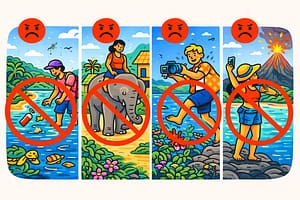
Visiting micro-islands carries responsibilities not encountered in mainstream destinations. Small island communities with fewer than 500 residents face disproportionate impacts from each visitor compared to larger destinations. In these remote paradises, even small actions—like conserving water, minimizing waste, or respecting local customs—make a meaningful difference. Travelers must approach these fragile environments with awareness and care, understanding that their presence can either support community wellbeing or unintentionally strain limited resources.
For comprehensive guidance on responsible tourism, consult Responsible Travel resources.
Responsible practices include:
- Researching local customs and taboos before arrival
- Asking permission before photographing residents
- Participating in community activities only when invited
- Bringing out all non-biodegradable waste you create
- Supporting locally-owned accommodations and services
- Conserving water and electricity, which are often limited resources
Many islands have developed their own visitor guidelines. Niue’s “Tāoga Niue Code” outlines cultural protocols, while Tristan da Cunha requires signed agreements regarding resource use during your stay.
For more detailed cultural and environmental guidelines, refer to Niue’s “Tāoga Niue Code” and Tristan da Cunha’s official visitor agreement, both publicly available on their government websites.
Preparing for Limited Infrastructure: Accommodations, Services, and Communication
Micro-island visits require thorough preparation. Most of these islands—remote paradises with fewer than 500 residents—offer only the essentials, which means travelers must plan ahead. Many have limited or no ATM access, unreliable internet connectivity, and minimal medical facilities beyond basic first aid. While these constraints can feel challenging, they also preserve the islands’ authenticity and protect the delicate lifestyles that make them so remarkable. Proper preparation ensures visitors can fully appreciate the simplicity and purity of these rare destinations.
Essential preparations include:
- Arranging accommodations months in advance (many islands have fewer than 10 rooms available)
- Bringing sufficient cash in the appropriate currency
- Packing essential medications and comprehensive first-aid supplies
- Downloading offline maps, translation tools, and entertainment
- Purchasing comprehensive travel insurance with emergency evacuation coverage
- Informing the family of limited communication windows
Use TripJotter (coming soon) to organize your journey to these secluded paradises with customized packing lists for remote destinations.
The Profound Impact of Visiting the World’s Smallest Island Communities
As I departed Palmerston Atoll after a week’s stay, William Marsters’ parting words resonated: “You came as a stranger, you leave as family.” This simple farewell reflects the transformative potential of micro-island visits. In these remote paradises, travelers encounter community in its purest form—where interdependence is not an abstract ideal but a daily reality. Sustainability isn’t a marketing term here; it’s a lived practice shaped by necessity, tradition, and respect for nature. These islands remind visitors that connection, resilience, and shared responsibility can thrive even at the edges of the world.
These islands remind us that human connection and environmental harmony aren’t abstract ideals but achievable realities, practiced daily in some of Earth’s most remote corners. Here, life moves at a gentler rhythm—one shaped by respect for nature, strong community ties, and traditions passed down through generations. They offer not just escape but perspective, giving travelers a rare glimpse into alternative ways of living in balance with place and people, where simplicity becomes a strength and every interaction feels purposeful.
Ready to discover your perfect remote paradises? Use TripWhisperer (coming soon) to find destinations matching your travel style and preferences for secluded experiences.
FAQs | Remote Paradises
What’s the best time of year to visit remote islands with small populations?
Most micro-islands have distinct wet and dry seasons that dramatically affect accessibility. Generally, plan visits during the dry season (which varies by hemisphere and ocean) when seas are calmer for boat transfers and the weather is more predictable for limited flight schedules. For Atlantic islands like Tristan da Cunha, December through March offers optimal conditions, while Pacific atolls are best visited May through October.
Do these remote paradises have medical facilities for travelers?
Most islands with fewer than 500 residents have only basic medical facilities or clinics. Some may have just a single nurse practitioner. Comprehensive travel insurance with emergency evacuation coverage is essential, as medical emergencies typically require transport to mainland hospitals—a process that can take days depending on weather and transportation availability. For more information on travel insurance for remote destinations, visit travel insurance provider resources.
How can visitors respect the privacy and culture of these small island communities?
Research local customs before arriving, ask permission before photographing residents, participate in community activities when invited, support local businesses rather than bringing all supplies, and be mindful that your presence significantly impacts the daily rhythm in such small places. Many islands have developed specific visitor codes or cultural guidelines—request these during your planning process. Organizations like Cultural Survival offer additional guidance on respectful cultural engagement.
Are there eco-tourism initiatives on these small islands?
Many micro-islands have pioneered sustainable tourism models out of necessity. Rodrigues Island has implemented community-managed marine protected areas, Bequia operates solar-powered accommodations, and Niue has developed a comprehensive reef protection program. These initiatives often welcome visitor participation, providing unique opportunities to contribute positively during your stay. Learn more about global eco-tourism standards at The International Ecotourism Society.
Sources: Government of Tristan da Cunha (ukota.org), Pitcairn Islands Tourism (pitcairn.pn), Cook Islands Tourism (cookislands.travel), Tokyo Metropolitan Government Transport Office, Wikipedia and Cultural Survival archives.