Skip to content
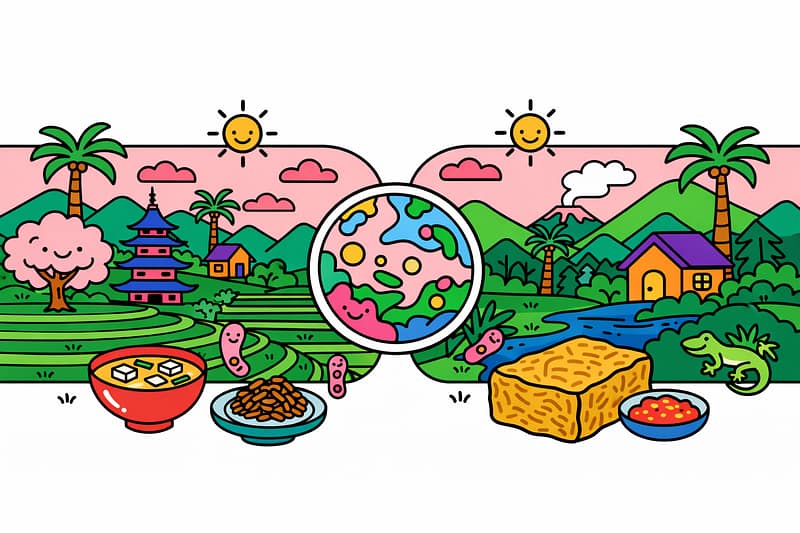
Embarking on a culinary journey is one of the richest ways to experience a new culture. This World Atlas of Fermentation serves as the ultimate guide to these incredible traditions. We’ll explore the bubbling, fizzing, and funky-smelling foods that have shaped diets and health for millennia.
From the tangy crunch of sauerkraut to the deep umami of miso, fermentation is a global language of flavor. For more details, check out a traveler’s guide to fermentation traditions across Asia from Kimchi to Kombucha.
For a deeper dive into specific regional practices, exploring a traveler’s guide to fermentation traditions across Asia from Kimchi to Kombucha is a fantastic place to start your planning.
Table of Contents
- Miso, Tempeh, and Natto: The Umami Journey Through Japan and Indonesia
- Cheese Caves and Wine Cellars: European Fermentation Routes Worth Traveling For
- Sourdough Around the World: 7 Countries Where Wild Fermentation Defines Daily Bread
- Fermented Beverages Beyond Beer: Cultural Drinks from Kvass to Tepache
- Kimchi to Kombucha: A Traveler’s Guide to Fermentation Traditions Across Asia
- Key Takeaways
- Frequently Asked Questions
- Conclusion
Miso, Tempeh, and Natto: The Umami Journey Through Japan and Indonesia
Our journey begins in Asia, where the humble soybean is transformed into culinary gold. Miso, tempeh, and natto are three pillars of soy fermentation, each offering a unique pathway to the coveted fifth taste: umami. This savory flavor is the hallmark of many fermented foods, creating a deep, satisfying taste that is hard to forget.
Miso (味噌) is a traditional Japanese seasoning produced by fermenting soybeans with salt and kōji, a fungus called Aspergillus oryzae. In my travels through Japan, I found that starting the day with a bowl of miso soup is not just a meal; it’s a cultural ritual that warms you from the inside out.
The flavors can range from sweet and mild (white miso) to salty and intense (red miso), depending on the fermentation time.
Heading south to Indonesia, we encounter tempeh. This fermented food is made by a natural culturing and controlled fermentation process that binds soybeans into a cake form. Unlike the paste-like consistency of miso, tempeh has a firm, chewy texture and a nutty, mushroom-like flavor. It’s an incredibly versatile protein source I’ve enjoyed grilled, fried, and stewed into curries.
The most polarizing of the three is undoubtedly nattō (納豆). This Japanese breakfast staple consists of soybeans fermented with Bacillus subtilis. It’s known for its powerful smell, strong flavor, and uniquely slimy, stringy texture. While it can be an acquired taste, its potent probiotic benefits are celebrated in Japan.
According to a study in the Journal of Nutrition, regular consumption of nattō is linked to improved vitamin K levels.
Exploring these foods offers a profound appreciation for microbial craftsmanship. For those planning a trip focused on these complex flavors, our detailed guide on the umami journey through Japan and Indonesia with Miso, Tempeh, and Natto provides an even closer look at where to find these authentic tastes.
The scientific community continues to explore the deep complexities of the umami taste, which makes this culinary exploration even more fascinating.

Miso vs. Tempeh vs. Natto: A Fermented Soybean Comparison
| Feature | Miso | Tempeh | Nattō |
|---|---|---|---|
| Origin | Japan | Indonesia | Japan |
| Primary Microbe | Aspergillus oryzae (Kōji) | Rhizopus oligosporus | Bacillus subtilis |
| Texture | Paste (smooth to chunky) | Firm, chewy cake | Slimy, sticky, stringy beans |
| Flavor Profile | Salty, sweet, umami | Nutty, mushroom-like, earthy | Pungent, strong, savory (like aged cheese) |
| Common Use | Seasoning for soups, glazes, dressings | Protein source (grilled, fried, stewed) | Breakfast dish served over rice |
Cheese Caves and Wine Cellars: European Fermentation Routes Worth Traveling For
Industry insight: Terroir in fermentation refers to how a food’s specific environment—from the microbes in the air to the climate—shapes its final taste and texture.
When we think of European fermentation, our minds often drift to the romantic images of aging cheese caves and rustic wine cellars. These are not just storage facilities; they are living ecosystems where temperature, humidity, and native microbes work in concert to create some of the world’s most prized flavors.
This is the essence of terroir—the idea that a food’s environment shapes its character.
In France, the limestone caves of Roquefort-sur-Soulzon are the only place in the world where true Roquefort cheese can be aged. The native mold, Penicillium roqueforti, thrives in this unique environment, giving the sheep’s milk cheese its iconic blue veins and sharp, tangy flavor. I learned that visiting these caves offers a sensory lesson in how geography becomes flavor.
Italy offers its own masterpieces of microbial magic. In Emilia-Romagna, wheels of Parmigiano-Reggiano are aged for years in carefully controlled cellars. The long, slow fermentation process breaks down proteins and fats, developing the cheese’s signature granular texture and complex, nutty taste. This is a journey of patience, where time is a key ingredient.
Then there’s the world of wine. From the sun-drenched vineyards of Tuscany to the misty valleys of Mosel in Germany, winemaking is a pure expression of fermentation. Yeast converts grape sugars into alcohol, but the secondary fermentation, malolactic fermentation, softens the wine’s acidity.
Planning a trip along a wine route, however, can create group tension—especially when one person prefers reds and another only drinks whites. This is where a tool that helps poll preferences and build a consensus itinerary is invaluable.
For anyone looking to plan an itinerary through this region, we’ve created a cheese lover’s map and guide detailing European fermentation routes worth traveling for. It’s the perfect starting point to avoid the common clashes of travel styles and ensure everyone on the trip finds something to savor.
You might also find the umami journey through Japan and Indonesia with Miso, Tempeh, and Natto helpful.
Sourdough Around the World: 7 Countries Where Wild Fermentation Defines Daily Bread
Sourdough is more than just bread; it’s a living tradition fueled by wild yeast and bacteria captured from the air. A sourdough starter, or “levain,” is a symbiotic culture of microbes unique to its environment. This wild fermentation gives the bread its characteristic tangy flavor, chewy texture, and extended shelf life.
While San Francisco is famous for its sourdough, the practice is a global phenomenon.
In my experience, exploring different sourdoughs is like tasting a map. In Germany, dense, dark Roggenbrot (rye bread) is a staple, made with a rye-based starter that thrives in cooler climates. Its earthy, robust flavor is a world away from the light, tangy loaves of California.
It’s a perfect example of how local grains and microbes create a distinct culinary identity.
Scandinavia has its own iconic sourdough: Rugbrød. This Danish rye bread is famously dense, dark, and packed with seeds and cracked grains. Its preparation is a multi-day process of soaking and slow fermentation, resulting in a bread that is both nutritious and deeply satisfying. It’s a testament to the Nordic tradition of practical, wholesome food.
Even in ancient Egypt, bakers were using wild fermentation. Aish Baladi, a traditional flatbread, has historically been leavened with a sourdough starter. Learning about these traditions reveals that wild fermentation isn’t a modern trend but an ancient technology. For anyone fascinated by this process, check out our guide on sourdough from 7 countries where wild fermentation defines daily bread.
Understanding the science behind these wild yeasts can deepen your appreciation. Extensive research is available on the topic, including publications like the guide to wild yeasts and their characteristics from Milk the Funk, a community for fermentation enthusiasts. It highlights how each loaf tells a story of its local microbiology.

Fermented Beverages Beyond Beer: Cultural Drinks from Kvass to Tepache
While beer and wine may dominate the global stage, a vast and fascinating world of fermented beverages exists just beneath the surface. These drinks are often deeply woven into the cultural fabric of their homelands, used for everything from daily hydration to festive celebrations.
They offer a taste of local life that you won’t find in a typical bar or restaurant.
In Eastern Europe, particularly Russia and Ukraine, kvass is a beloved traditional drink. Made by fermenting rye bread, this beverage has a low alcohol content and a unique sweet-and-sour, bready flavor. I found it sold on street corners from large tankers in the summer, serving as a refreshing and slightly effervescent thirst quencher. It’s a true taste of Slavic culture.
Traveling to Mexico, we discover tepache, a delightful wild-fermented beverage made from pineapple peels and rinds. Spiced with cinnamon and piloncillo (raw cane sugar), it’s a fizzy, light, and incredibly refreshing drink. It’s a brilliant example of sustainable, low-waste food practices, turning what would be discarded scraps into something delicious.
In my experience, it’s the perfect antidote to a hot afternoon.
Other notable fermented drinks include water kefir, a probiotic-rich beverage made from kefir “grains” (a symbiotic culture of bacteria and yeasts), and pulque, another traditional Mexican alcoholic drink made from the fermented sap of the maguey (agave) plant. It has a milky appearance and a sour, yeast-like flavor, representing a tradition that dates back to the Aztec empire.
These beverages are a direct connection to a region’s agricultural and social history. If you’re intrigued by these unique drinks, our full guide to cultural fermented beverages beyond beer from Kvass to Tepache explores even more of these fascinating global traditions and where to find them.
You might also find cheese lover’s map and guide detailing European fermentation routes worth traveling for helpful.
Kimchi to Kombucha: A Traveler’s Guide to Fermentation Traditions Across Asia
Asia is a continent brimming with an incredible diversity of fermentation techniques, many of which have been practiced for thousands of years. From fiery kimchi in Korea to the globally popular kombucha, these foods and drinks are integral to both cuisine and wellness across the region. They represent a mastery of microbes that is both an art and a science.
Kimchi (김치) is the soul of Korean cuisine. This staple side dish, made from fermented vegetables like napa cabbage and Korean radish, is served with nearly every meal. There are hundreds of varieties, each with its own unique blend of spices and fermentation time. The fiery, sour, and umami-rich flavors of a well-fermented kimchi are unforgettable.
According to research from the National Institutes of Health discussing the health benefits of kimchi, it’s also a powerhouse of probiotics.
Then there’s kombucha, the effervescent fermented tea that has exploded in popularity worldwide. Its origins are thought to lie in Northeast China (Manchuria) around 220 B.C. Made by fermenting sweet tea with a SCOBY (Symbiotic Culture Of Bacteria and Yeast), kombucha has a tart, slightly sweet, and fizzy profile.
While modern versions come in countless flavors, tasting traditional kombucha offers a more rustic and authentic experience.
Beyond these two giants, Asia’s fermentation landscape is vast. Japan’s koji is the foundational mold used for making soy sauce, miso, and sake. China has douchi (fermented black beans), a potent seasoning. Southeast Asia is famous for its pungent fish sauce, an essential ingredient made from fermented fish and salt.
Navigating these bold flavors as a group can be a challenge; one person’s delicious discovery might be another’s culinary nightmare. This is why discussing food preferences before a trip is so important. A tool that lets everyone add their ‘must-try’ spots to a shared map can prevent drama and make for a more harmonious adventure.
Our traveler’s guide to fermentation in Asia from kimchi to kombucha can help your group find common ground.
Industry insight: Fermentation not only preserves food but also unlocks unique flavor compounds and increases bioavailability of nutrients.
Key Takeaways
- Fermentation is a global culinary art form with deep cultural roots that offers a unique lens for travel.
- Exploring fermented foods allows travelers to connect with local traditions and taste the history of a place.
- Key regional ferments include Miso in Japan, Tempeh in Indonesia, cheese in Europe, sourdough worldwide, and kimchi in Korea.
- Group food tourism can be complex due to differing tastes, making collaborative planning tools essential for a harmonious trip.
- Fermented foods are known for creating complex flavors like umami and are often associated with health benefits due to probiotics.
- From beverages like Kvass to staples like sourdough, fermentation is a testament to human ingenuity in transforming basic ingredients.
Frequently Asked Questions
What is the main purpose of fermenting food?
Fermentation primarily serves to preserve food, enhance its flavor and aroma, and increase its nutritional value by creating beneficial enzymes, B vitamins, and various strains of probiotics. It’s a natural transformation process used for thousands of years worldwide.
Is it safe to eat locally fermented foods when traveling?
Generally, yes. Fermentation creates an acidic environment that inhibits harmful bacteria. However, it’s wise to start with small portions and buy from reputable, high-traffic vendors. Trust your senses—if something smells or looks off, it’s best to avoid it.
What’s the easiest fermented food to try making at home?
Sauerkraut is one of the easiest and most forgiving fermented foods for beginners. It requires only two ingredients—cabbage and salt—and minimal equipment. It’s a great introduction to the process of lacto-fermentation.
How can I plan a trip around fermentation tasting?
Start by identifying regions famous for specific ferments, like Japan for miso or France for cheese. Use a collaborative travel planning tool like TripMerge to create a shared map of markets, workshops, and restaurants, ensuring all travel partners can add their wishes and coordinate logistics easily.
Conclusion
Our trip through the world atlas of fermentation reveals that these ancient techniques are more than just a way to preserve food They are a gateway to understanding culture, history, and the very essence of flavor.
From the umami-rich soybeans of Asia to the wild-yeast breads of Europe, each fermented product tells a story about its origin and the people who perfected it.
Embarking on a food-focused journey is an incredibly rewarding way to travel, but it comes with its own set of challenges, especially for groups. Aligning different tastes, budgets, and travel styles requires open communication and smart planning. The fear of clashing personalities or past negative experiences can deter many from even starting.
Yet, the desire to create joyful memories with loved ones often wins out.
For more insights, explore comprehensive guide to the amazing fermented dairy products in European cheese caves and wine cellars.
Don’t let the stress of logistics hold you back from your next great culinary adventure. We believe that with the right preparation, you can turn any group trip into an unforgettable experience, strengthening bonds and creating stories you’ll share for years to come.
Start planning your next travel adventure with TripMerge →