
Embark on a culinary journey where time-honored techniques transform simple ingredients into complex, life-giving foods. The world of Asian fermentation is a vast and flavorful universe, a cornerstone of culture, health, and daily meals for billions.
From the fiery crunch of Korean kimchi to the effervescent tang of kombucha, this guide is your entry point into the transformative power of microbes. Fermented foods are not just about preservation; they are about creating deep, resonant flavors like umami and providing significant probiotic health benefits, a topic gaining massive attention in wellness circles.
I’ve found that understanding a culture’s ferments is like unlocking a secret language of its cuisine. These traditions, passed down through generations, reveal a region’s history, climate, and agricultural staples. They tell a story of ingenuity and a deep, intuitive understanding of the natural world.
This traveler’s guide, focusing on traditions from Kimchi to Kombucha, will take you through the most iconic ferments of the continent. We will explore the science, the history, and the best ways to experience these living foods firsthand.
For a broader look at global practices, you can explore The World Atlas of Fermentation: The Ultimate Fermentation Guide Across Continents to see how these traditions compare to others worldwide. Planning such a complex culinary trip can be daunting, with mismatched expectations and chaotic logistics often getting in the way, but the reward is an unparalleled sensory experience.
Table of Contents
- Korea’s Soul Food: The Universe of Kimchi and Jang
- Japan’s Art of Koji: Miso, Shoyu, and Sake
- The Diverse Ferments of Southeast Asia: Tempeh, Fish Sauce, and Beyond
- Ancient Elixirs and Grains: China and the Indian Subcontinent
- How to Plan a Fermentation-Focused Culinary Trip
- Key Takeaways
- Frequently Asked Questions
- Conclusion
You might also find sourdough bread traditions in seven different countries around the world helpful.
For more insights, explore fermented beverages beyond beer from Kvass to Tepache.

A Guide to Understanding Different Types of Miso
| Type | Ingredients | Fermentation Time | Flavor Profile |
|---|---|---|---|
| Shiro Miso (White) | Soybeans, High percentage of rice | 1-3 months | Sweet, mild, light, less salty. Good for soups, dressings. |
| Aka Miso (Red) | Soybeans, Barley or other grains, lower rice percentage | 6 months to 2+ years | Pungent, salty, rich umami, bold. Good for hearty stews and marinades. |
| Awase Miso (Mixed) | A blend of red and white miso | Varies | Balanced, versatile, medium-bodied. A good all-purpose miso. |
Korea’s Soul Food: The Universe of Kimchi and Jang
No exploration of Asian fermentation can begin anywhere but Korea, a nation where fermented foods are the heartbeat of the cuisine. Kimchi, the iconic spicy fermented cabbage, is so central to Korean identity that the communal act of making it, gimjang, is a UNESCO Intangible Cultural Heritage.
While there are hundreds of varieties, the most common is made with napa cabbage, gochugaru (chili powder), garlic, ginger, and jeotgal (salted seafood). The magic happens through lacto-fermentation, where beneficial bacteria convert sugars into lactic acid, creating its signature sour tang and preserving the vegetables for months.
The process is as much an art as it is a science. The precise ratio of salt, chili, and salted shrimp can vary dramatically from family to family, each claiming their recipe is the best.
One common mistake beginners make is not salting the cabbage properly, which affects both the texture and the fermentation process. Pro Tip: If you visit Korea in late autumn, you’ll witness the nationwide tradition of gimjang, where communities gather to make massive batches of kimchi for the winter. Many cultural centers and even some restaurants offer workshops for travelers.
Beyond kimchi lies the foundational trio of Korean pastes, or jang: gochujang (chili paste), doenjang (soybean paste), and ganjang (soy sauce). These are all derived from fermented soybeans, often mixed with other ingredients like rice and chili. Doenjang, with its pungent, earthy flavor, is similar in a broad sense to Japanese miso but possesses a distinctly robust character.
Gochujang provides a complex sweet, savory, and spicy flavor profile essential for countless dishes like bibimbap and tteokbokki. Understanding jang is essential to understanding the deep, savory soul of Korean cooking. You might also find the umami experience of miso, tempeh, and natto across Japan and Indonesia helpful.
Japan’s Art of Koji: Miso, Shoyu, and Sake
If Korea’s ferments are defined by the fiery passion of chili, Japan’s are characterized by the subtle, transformative power of a unique mold: Aspergillus oryzae, or koji. This mold is the quiet engine behind Japan’s most essential flavors, breaking down starches and proteins in grains and soybeans to create sugars, amino acids, and the coveted flavor of umami.
Koji is so vital it is revered as Japan’s “national fungus.” It is the starting point for miso, soy sauce (shoyu), sake, mirin, and rice vinegar.
A journey to a century-old soy sauce brewery outside of Kyoto can be a lesson in patience and tradition. The air is thick with the sweet, malty scent of fermenting soybeans in massive cedar barrels, some of which had been in use for generations.
The brewmasters explain that true, traditionally brewed shoyu ferments for at least a year, a stark contrast to the chemically hydrolyzed soy sauce that dominates a lot of the market. This slow process allows for a depth and complexity of flavor that cannot be rushed.
A crucial part of this journey is understanding the building blocks, which is why we created a detailed guide on the umami experience of miso, tempeh, and natto across Japan and Indonesia.
Similarly, miso, a paste made from fermented soybeans and koji, is a pillar of Japanese cuisine. The variety is staggering, with flavors ranging from sweet and mild (white or shiro miso) to dark, salty, and intense (red or aka miso). The color and flavor depend on the ingredients and the length of fermentation.
Miso isn’t just for soup; in Japan, I’ve seen it used in marinades, dressings, and even as a topping for grilled rice balls. Exploring the different regional misos–from the rich Hatcho miso of Aichi to the lighter Shinshu miso of Nagano–is a culinary adventure in itself, showcasing how a single process can yield a spectrum of delicious results.
You might also find European fermentation routes like cheese caves and wine cellars helpful.
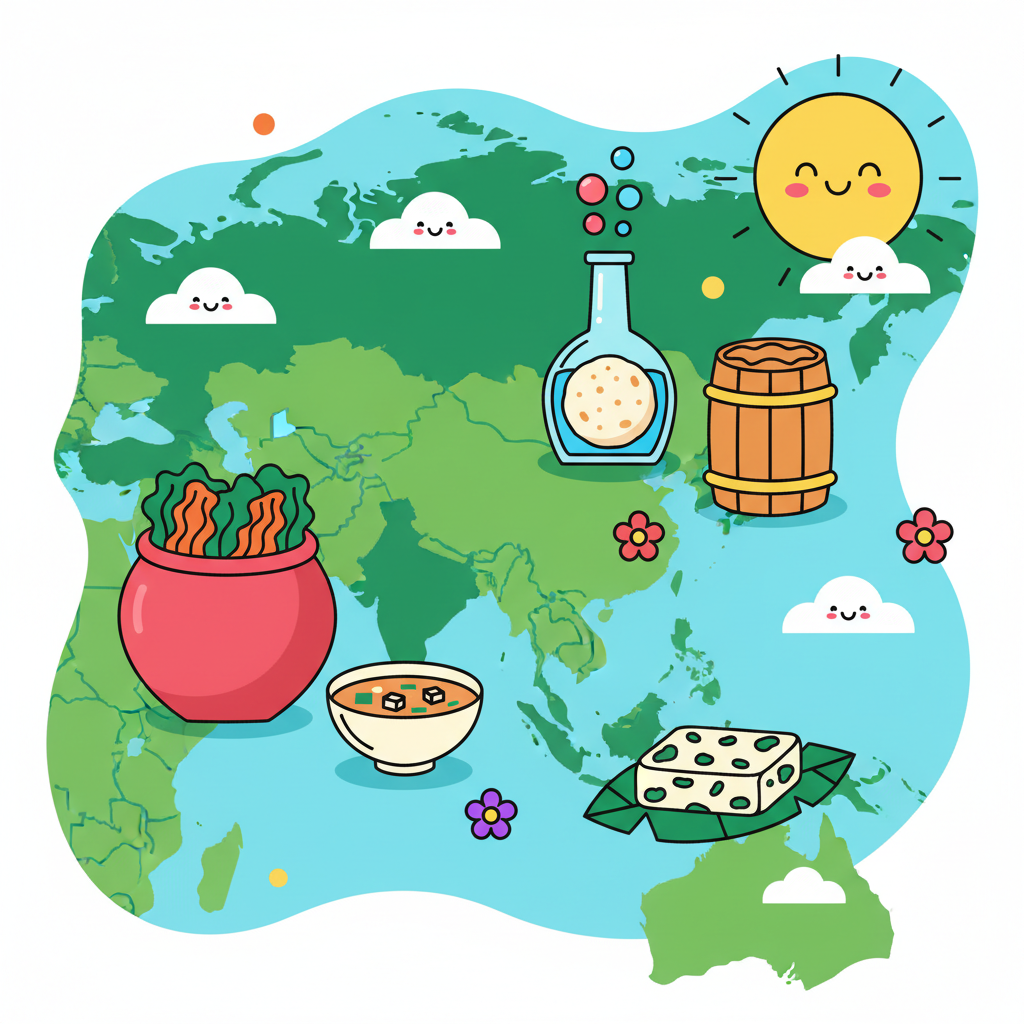
The Diverse Ferments of Southeast Asia: Tempeh, Fish Sauce, and Beyond
Southeast Asia, with its tropical climate and abundant resources, boasts a dazzling array of fermented products that are essential to its vibrant cuisines. In Indonesia, the star of the show is tempeh. Unlike many other soybean ferments, tempeh is a whole-bean product, where cooked soybeans are bound together into a firm, cake-like block by a white mold, Rhizopus oligosporus.
Tempeh has a nutty, mushroom-like flavor and a satisfyingly firm texture, a world away from the often-bitter versions you can find back home.
This fermentation process makes the soybeans more digestible and increases their nutritional value. According to a 2019 article in the Journal of Ethnic Foods, tempeh is a significant source of affordable protein for millions. Common Mistake: Many Western cooks simply cube and fry tempeh.
In Indonesia, I learned that steaming or simmering it first helps to remove any bitterness and allows it to better absorb marinades before being grilled, fried, or stewed. It is a versatile ingredient that reflects the resourcefulness of Indonesian cooking.
Further north, in Vietnam and Thailand, the defining flavor of fermentation is fish sauce–nước mắm in Vietnamese and nam pla in Thai. This pungent amber liquid is made by packing small fish, usually anchovies, with salt in large barrels and leaving them to ferment for months, or even years.
The process breaks down the fish, resulting in a protein-rich liquid bursting with umami.
The best fish sauces, like those from the Vietnamese island of Phu Quoc, have a complex flavor that is savory and briny without being overly “fishy.” While it may seem comparable to European fermented products, its application is wholly unique, making it interesting to review alongside guides to European fermentation routes like cheese caves and wine cellars to appreciate the global diversity of this craft.
You might also find fermented beverages beyond beer from Kvass to Tepache helpful.
Ancient Elixirs and Grains: China and the Indian Subcontinent
China, with one of the world’s longest continuous culinary histories, is a treasure trove of fermentation traditions.
It is widely believed to be the birthplace of kombucha, a fermented tea beverage known as hóngchájūn (红茶菌) or “red tea mushroom.” Originally valued for its supposed detoxifying properties during the Qin Dynasty (around 221 BC), this effervescent drink is made by fermenting sweetened tea with a SCOBY (Symbiotic Culture of Bacteria and Yeast).
While its exact origins are shrouded in legend, its journey along the Silk Road helped it spread across Asia and eventually the world. For travelers interested in liquid legacies, an exploration into fermented beverages beyond beer from Kvass to Tepache can provide fascinating parallels.
In my travels through Sichuan province, I was fascinated by paocai, a type of pickled vegetable that sits on nearly every dinner table. Unlike kimchi, Sichuan paocai is typically fermented in a brine of salt, sugar, spices, and water in a special airtight jar with a water-sealed lid.
The result is a perpetually regenerating pickle pot, where vegetables can be fermented in as little as a day, yielding a crisp, tangy, and slightly effervescent bite that cuts through the richness of Sichuan food. This highlights a different approach to vegetable preservation, prioritizing speed and crispness.
On the Indian subcontinent, fermentation is fundamental to many staple foods, particularly in the south. The beloved duo of idli (steamed rice cakes) and dosa (thin, crispy crepes) are made from a batter of fermented rice and lentils. This fermentation process, driven by wild yeasts and bacteria, makes the grains easier to digest and increases the bioavailability of nutrients.
A study published in the Journal of Food Science and Technology highlights that this process significantly increases B-vitamin content. The sour, tangy flavor of a well-fermented dosa is a perfect counterpoint to the rich sambar and coconut chutney it’s served with, demonstrating a sophisticated culinary balance rooted in an ancient microbial process.
For further reading, see in-depth study on the cultural heritage of gimjang published by UNESCO.
How to Plan a Fermentation-Focused Culinary Trip
A journey through Asia’s fermentation traditions is an incredibly rewarding experience, but it requires some planning to go beyond just eating at restaurants. The best way to truly understand these foods is to see them being made and connect with the artisans who preserve these traditions.
Start by identifying the one or two fermentation traditions that interest you most. Are you fascinated by koji? Focus on a trip to Japan. Is kimchi your passion? A deep dive into South Korea is in order. Once you have a focus, research workshops and factory tours.
Many soy sauce breweries, sake distilleries, and even some large-scale kimchi producers in Asia offer tours. In Japan, some smaller, family-run operations can be visited by appointment. Your hotel concierge or a local guide can often help arrange this. I found that emailing ahead with a polite, clear request often yields positive results, even with smaller producers.
Don’t overlook the local markets. This is where you’ll find the widest variety of fermented goods and can often speak directly to the vendors. In my experience, showing genuine interest and asking simple questions (even with a translation app) can lead to amazing discoveries, like a rare type of mountain green tea kombucha in a Chiang Mai market.
For further reading, see scientific analysis of the nutritional benefits of dosa and idli fermentation from the Journal of Food Science and Technology.
Industry insight: The global fermented food and beverage market is experiencing significant growth, driven by increasing consumer awareness of gut health and a rising demand for natural, probiotic-rich products.
Key Takeaways
- Fermentation in Asia is a vital cultural practice, not just a food preservation technique, with traditions like Korea’s gimjang being recognized as UNESCO heritage.
- Key ingredients like Korea’s gochujang, Japan’s koji mold, and Southeast Asia’s fish sauce create the foundational flavors of their respective cuisines.
- Fermented foods like tempeh, dosa, and kimchi offer significant nutritional benefits, including improved digestibility and increased vitamin content.
- Planning a fermentation-focused trip involves exploring local markets, booking workshops, and visiting traditional producers to gain a deeper cultural understanding.
- While many fermented foods are safe, travelers should start slowly to allow their digestive systems to adapt to new microbial ecosystems.
- Bringing fermented foods home is possible but requires checking your country’s customs regulations, especially for commercially sealed products.
Frequently Asked Questions
What is the best way to start trying fermented foods in Asia?
The best way to begin is by visiting local markets. Markets are the epicenter of daily life and offer the most authentic and diverse selection of fermented products, from fresh kimchi to regional pickles and sauces. In my experience, vendors are often passionate about their food and, even with a language barrier, are usually happy to offer you a taste.
Are fermented foods in Asia safe to eat for travelers with sensitive stomachs?
For most travelers, fermented foods are perfectly safe and can even be beneficial for digestion due to their probiotic content. However, since your gut microbiome isn’t accustomed to the local bacteria, it’s wise to start slowly. Instead of eating a large portion of a spicy new kimchi, have a small side dish.
Can I bring fermented foods like kimchi or fish sauce back home?
This can be tricky and depends entirely on the customs regulations of your home country. Generally, commercially packaged, sealed, and labeled products are more likely to be allowed. A factory-sealed bottle of fish sauce or a vacuum-packed jar of kimchi from a supermarket is usually fine. However, homemade items from a market are almost always prohibited.
What is koji and why is it so important in Japanese fermentation?
Koji (Aspergillus oryzae) is a type of filamentous fungus, or mold, cultivated on steamed grains like rice, barley, or soybeans. It is the cornerstone of many iconic Japanese foods. Koji’s importance lies in the powerful enzymes it produces. These enzymes break down the starches in grains into sugars and the proteins in soybeans into amino acids.
Conclusion
A key finding from culinary anthropology is that fermentation methods are deeply tied to a region’s climate and agriculture, reflecting a history of local ingenuity.
This journey from kimchi to kombucha reveals that fermentation in Asia is far more than a preservation method—it’s a cultural art form, a pillar of flavor, and a source of wellness. These living foods connect the past to the present, offering a tangible taste of history and place.
From the mountains of Korea to the islands of Indonesia, microbial magic transforms humble ingredients into culinary treasures that define national identities. In my experience, exploring these traditions offers one of the deepest and most rewarding ways to connect with a culture, moving beyond tourist trails and into the heart of the home kitchen.
Embracing these foods on your travels opens up a new sensory vocabulary and a greater appreciation for the complexity of flavor. More than that, it addresses a desire for authentic, memorable experiences that nourish both body and soul.
The next time you sit down for a bowl of ramen with its shoyu broth, or enjoy a side of pickles with your curry, you’ll have a deeper understanding of the patient, invisible labor that created it.
For those looking to dive even deeper into the world’s fermented foods, don’t forget to consult The World Atlas of Fermentation: The Ultimate Fermentation Guide Across Continents as a starting point. The world of fermentation is vast and endlessly fascinating, waiting to be explored.
Ready to plan your own culinary deep dive? The logistics of multi-city food tours, coordinating with friends who have different budgets, and keeping track of bookings can be overwhelming. Don’t let planning chaos get in the way of your dream trip. Start planning your next travel adventure with TripMerge →