Skip to content
Sourdough is more than just bread; it’s a living tradition, a slow-food marvel crafted from flour, water, salt, and the wild yeasts in the air around us. While many associate it with tangy loaves from San Francisco, the art of wild fermentation is a global phenomenon.
Understanding sourdough around the world: 7 countries where wild fermentation defines daily bread reveals a rich tapestry of culture, history, and flavor. This journey connects us to the very essence of how communities have sustained themselves for millennia.
Our exploration covers crusty European classics to spongy African flatbreads, each with a unique story. To get a broader perspective on this ancient culinary art, we highly recommend diving into The World Atlas of Fermentation: The Ultimate Fermentation Guide Across Continents to Traditional Foods, Drinks, and Where to Experience Them. It provides essential context for the incredible diversity we’re about to uncover in the world of bread and beyond.
We sought breads where a wild yeast starter (sourdough) is fundamental to the bread’s identity, not just an alternative leavening method. In our experience, the true character of a nation’s sourdough comes from its indigenous flours, local climate influencing the yeast, and centuries of tradition.
For more insights, explore the fascinating umami journey through Japan and Indonesia with foods like miso and tempeh.
Table of Contents
- 1. Germany: The Hearty and Dense Roggenbrot
- 2. Italy: Pane di Altamura’s Ancient Durum Wheat Legacy
- 3. France: Pain de Campagne, the Soulful “Country Bread”
- 4. Denmark: Rugbrød and the Art of Smørrebrød
- 5. USA: The Tangy Legend of San Francisco Sourdough
- 6. Ethiopia: Injera, the Spongy Teff Flatbread
- 7. Russia: Borodinsky Bread’s Sweet and Savory Spice
- Key Takeaways
- Frequently Asked Questions
- Conclusion

Sourdough Around the World: A Comparison
| Bread | Country | Primary Flour | Key Flavor Profile | Typical Texture |
|---|---|---|---|---|
| Roggenbrot | Germany | Rye | Earthy, tangy | Dense, moist, heavy |
| Pane di Altamura | Italy | Durum Wheat | Mild, nutty | Crispy crust, soft interior |
| Pain de Campagne | France | Wheat/Rye blend | Mildly tangy, complex | Chewy, open crumb, thick crust |
| Rugbrød | Denmark | Rye, seeds | Deep, malty, sour | Very dense, moist, seeded |
| SF Sourdough | USA | Bread Flour | Pronounced acetic tang | Chewy, airy, very crusty |
| Injera | Ethiopia | Teff | Distinctly tangy, sour | Spongy, soft, pliable |
| Borodinsky | Russia | Rye, Molasses | Sweet and sour, spiced | Sticky, dense, cake-like |
1. Germany: The Hearty and Dense Roggenbrot
Germany’s bread culture is legendary, with over 3,000 officially recognized types. At the heart of this tradition is Roggenbrot, or rye bread, a staple that relies heavily on sourdough fermentation.
Pure rye flour lacks the gluten structure of wheat, so the acidity from a sourdough starter is crucial for creating a loaf that holds its shape and has a digestible crumb. This makes wild fermentation a necessity, not just a choice.
What I found fascinating is the sheer variety. German bakers craft everything from 100% Roggenbrot to Mischbrot (mixed-flour bread), with precise ratios of rye to wheat. The flavor profile is typically dense, earthy, and slightly sour, with a dark, sticky crumb. These breads are built to last and are the perfect foundation for strong cheeses, smoked fish, and cured meats.
It’s a style that reflects practicality and a deep respect for whole grains.
This connection between fermentation and savory pairings is a cornerstone of many European culinary traditions. For travelers interested in these historic foodways, exploring these incredible European fermentation routes for cheese caves and historic wine cellars is an absolute must to understand the full gastronomic landscape.
It highlights how bread, cheese, and wine are deeply interconnected parts of the same ancient craft. You might also find our exploration of unique fermented beverages beyond beer, from Eastern European kvass to Mexican tepache helpful.
2. Italy: Pane di Altamura’s Ancient Durum Wheat Legacy
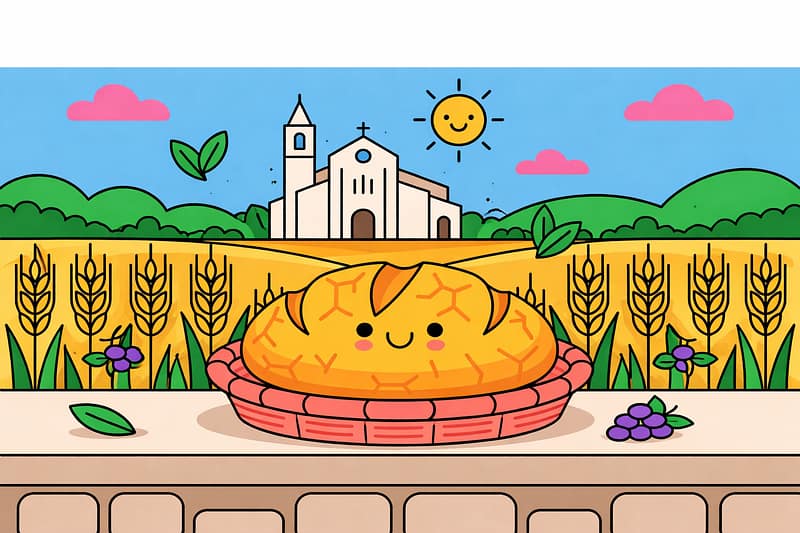
In Southern Italy, specifically in the Puglia region, lies a bread with ancient roots: Pane di Altamura. This isn’t just any sourdough; it is a legally protected product with “Protected Designation of Origin” (DOP) status from the EU.
This means the true bread must be made in a specific area using local durum wheat semolina, a regional sourdough starter, and water from the local aqueduct.
Historically, large loaves were baked in communal wood-fired ovens, and families would stamp their initials into the dough to identify their bread. The starter, known as lievito madre, is a firm sourdough culture that gives the bread a mild, nutty flavor and a beautiful yellow crumb, courtesy of the durum wheat.
Its crust is thick and delightfully crunchy, while the inside remains soft and airy for days.
According to a study on Mediterranean diets highlighted by Cambridge University Press, traditional breads like Pane di Altamura are valued for their digestibility and nutritional profile, thanks to long fermentation. This process breaks down complex carbohydrates and gluten, making the bread easier on the digestive system.
You can find more about this comprehensive analysis of traditional Mediterranean foods and their health benefits on the Cambridge University website.
3. France: Pain de Campagne, the Soulful “Country Bread”
While the baguette is France’s most famous baked export, Pain de Campagne (“country bread”) is arguably its soulful heart. This is the traditional sourdough of the French countryside, a rustic loaf designed to be shared and to last. Unlike the all-white-flour baguette, Pain de Campagne traditionally includes a mix of white, whole wheat, and often a bit of rye flour.
This blend creates a more complex flavor and a heartier texture.
The starter, or levain, is the key. French bakers cultivate their levain meticulously to achieve a balanced flavor profile—a mild tang that complements the nutty notes of the whole grains rather than overpowering them. The resulting loaf has a thick, crackling crust, an open and chewy crumb, and an aroma that is simply intoxicating.
It embodies the rustic elegance that defines French regional cuisine.
The principles behind crafting this bread align with other artisanal food practices across the continent. Building layers of flavor through natural processes is a shared art form, whether in a bakery or a dairy.
In fact, many travelers find that understanding one craft enhances appreciation for another, such as when pairing this bread with regional cheeses found along the continent’s best cheese lovers map uncovering the most historic creameries. You might also find a traveler’s guide to fermented traditions across Asia from the world of kimchi to kombucha helpful.
4. Denmark: Rugbrød and the Art of Smørrebrød
Rugbrød is the cornerstone of the Danish diet, a dense and dark rye bread that’s a world away from light, airy loaves. This bread is packed with whole rye flour, cracked rye grains, and often a plethora of seeds like sunflower, flax, and pumpkin.
Its characteristically heavy and moist texture is achieved through a sourdough starter, which is essential for leavening such a low-gluten dough.
What I love about Rugbrød is its deep, malty, and tangy flavor. It’s almost never eaten plain. Instead, it serves as the foundation for smørrebrød, Denmark’s famous open-faced sandwiches. These creations are culinary art, layered with everything from pickled herring and onions to roast beef with remoulade and crispy shallots.
The sturdiness of the Rugbrød is crucial—it has to be strong enough to hold up a mountain of delicious toppings without getting soggy.
The use of rye in Rugbrød connects it to a broader Northern and Eastern European tradition of fermented grain beverages.
For anyone intrigued by this culinary thread, it’s worth exploring our exploration of unique fermented beverages beyond beer, from Eastern European kvass to Mexican tepache, as many of these drinks share the same foundational ingredients and fermentation principles as the region’s breads.
You might also find the fascinating umami journey through Japan and Indonesia with foods like miso and tempeh helpful.
5. USA: The Tangy Legend of San Francisco Sourdough
No list of sourdough around the world would be complete without mentioning San Francisco Sourdough. Its story is intertwined with the California Gold Rush of the 1840s, when miners carried precious starters with them to bake bread in the goldfields.
The foggy climate of the Bay Area proved to be the perfect environment for a unique strain of wild yeast, which was eventually named Lactobacillus sanfranciscensis.
This specific microorganism is responsible for the uniquely tangy, acetic flavor that makes San Francisco sourdough famous. The bread is characterized by its blistered, crunchy crust, chewy interior, and pronounced sourness. It’s a flavor profile that has been replicated globally, but many argue that true San Francisco sourdough can only be made in its native environment.
It’s a powerful example of how terroir, a concept often associated with wine, applies just as much to baking.
This regional specificity reminds us that fermentation is a conversation with the local environment. It’s a principle seen across countless food traditions, a theme we touch upon when discussing a traveler’s guide to fermented traditions across Asia from the world of kimchi to kombucha, where local microbes and climate create uniquely regional flavors in everything from vegetables to tea.
For further reading, see this comprehensive analysis of traditional Mediterranean foods and their health benefits on the Cambridge University website.
6. Ethiopia: Injera, the Spongy Teff Flatbread
Moving beyond Europe and the Americas, Ethiopia offers one of the most unique and essential sourdough traditions: Injera. This is not a loaf but a spongy, crepe-like flatbread that serves as the primary staple food and utensil for nearly every meal. It is made from teff, a tiny, nutrient-rich grain that is indigenous to the Ethiopian highlands.
Teff is naturally gluten-free, making fermentation the only way to create its structure.
The process involves making a thin batter from teff flour and water, which is then left to ferment for several days with a wild sourdough culture. The batter is poured onto a large, circular clay griddle called a mitad, cooking into a large, pliable flatbread dotted with thousands of tiny “eyes” on its surface.
Its flavor is distinctly tangy, which beautifully complements the rich, spicy stews (wats) it is served with. The porous texture is perfect for soaking up every last bit of sauce.
Injera is a profound reminder of the diversity of fermented foods and how they form the bedrock of a culture’s cuisine. This is a running theme in global food exploration, similar to what one might find in the fascinating umami journey through Japan and Indonesia with foods like miso and tempeh, where fermented grains and legumes create foundational flavors.
You might also find these incredible European fermentation routes for cheese caves and historic wine cellars helpful.
7. Russia: Borodinsky Bread’s Sweet and Savory Spice
Our final stop is in Russia, with the iconic Borodinsky bread. This is a dark rye sourdough with a fascinating, albeit debated, origin story often linked to the Battle of Borodino in 1812. It is a bread steeped in history and flavor, known for its nearly black, moist crumb and a distinctive sweet-and-sour taste profile.
The dough is a blend of rye flour and some wheat flour, but its defining characteristics come from elsewhere.
What makes Borodinsky unique is the addition of molasses for sweetness and color, and a generous dusting of whole or crushed coriander and caraway seeds. The sourdough starter provides the necessary acidity to balance the molasses’ sweetness, resulting in a complex and deeply aromatic loaf. It has a sticky, dense texture that is incredibly satisfying.
According to a research article on the history of Russian foods available through JSTOR’s collection of academic articles on culinary history and cultural identity, Borodinsky bread became a Soviet-era staple, standardized for production across the nation.
Industry insight: The use of spices in fermented breads like Borodinsky showcases an advanced understanding of flavor pairing, where the tang of the sourdough is intentionally used to amplify or balance other ingredients. This level of nuance is a hallmark of mature culinary traditions worldwide.
Industry insight: A sourdough starter is a living ecosystem of local yeasts and bacteria, meaning a bread made in one part of the world can never be perfectly replicated in another.
Key Takeaways
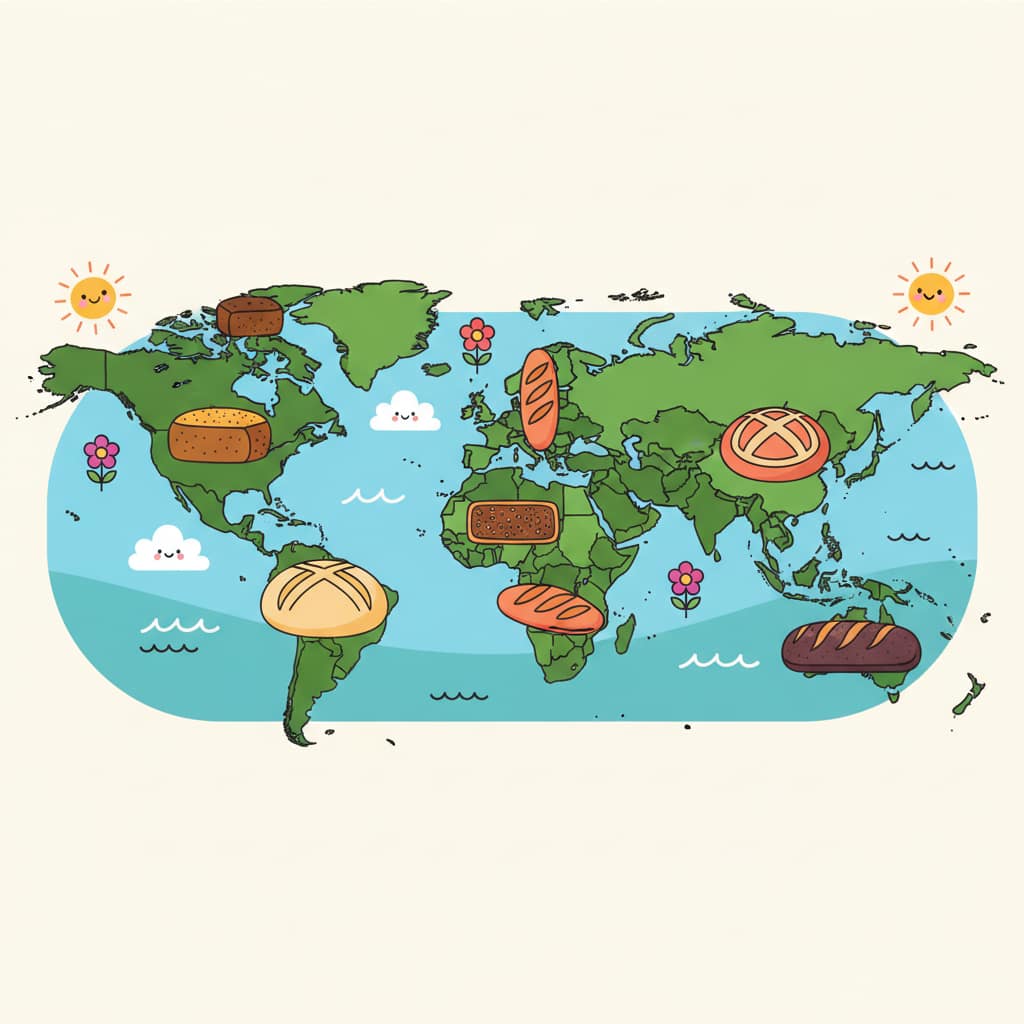
- Sourdough is a global tradition, not just a Western one, with unique methods and flavors on every continent.
- The type of flour used (rye, durum, teff, wheat) is fundamental to the character of each country’s sourdough.
- Wild fermentation is often a necessity, not a choice, for leavening low-gluten flours like rye and teff.
- Local microbial environment (terroir) plays a huge role, as seen in the unique tang of San Francisco sourdough.
- Many sourdough breads, like Italy’s Pane di Altamura, are culturally significant enough to have protected DOP status.
- Sourdough serves diverse culinary roles, from the base of Danish smørrebrød to the utensil-like Injera in Ethiopia.
Frequently Asked Questions
What is the most unique sourdough bread in the world?
While “unique” is subjective, Ethiopian Injera is a strong contender. It’s a spongy, gluten-free flatbread made from fermented teff flour, serving as both a plate and a utensil. Its tangy taste and singular texture are unlike any traditional loaf bread.
Why is some sourdough more sour than others?
The level of sourness depends on the specific strains of wild yeast and bacteria in the starter and the fermentation time and temperature. For example, San Francisco sourdough is famously tangy due to the local Lactobacillus sanfranciscensis bacteria, which produces more acetic acid.
Can I make these international sourdough breads at home?
Absolutely. While authentic local flour and environment contribute to the final taste, you can create delicious versions of breads like Pain de Campagne and Roggenbrot at home. The key is maintaining a healthy starter and being patient with the fermentation process.
Is sourdough bread healthier than regular bread?
Many consider it to be. The long fermentation process helps break down gluten and phytic acid, making sourdough easier to digest and its nutrients more bioavailable. According to a study in the Journal of Cereal Science, it can also have a lower glycemic index.
Conclusion
Industry insight: The key to authentic sourdough is patience; long, slow fermentation develops complex flavors and improves digestibility in ways commercial yeast cannot replicate.
From the dense ryes of Germany to the tangy teff-based Injera of Ethiopia, it’s clear that sourdough is a universal language of nourishment and culture. Each loaf tells a story about a region’s agriculture, its history, and the very air its people breathe.
Exploring sourdough around the world: 7 countries where wild fermentation defines daily bread is more than a culinary exercise; it’s a way to connect with the foundational traditions that shape global communities. The wild yeasts and bacteria in each starter are a living link to the past.
These breads remind us that some of the most profound flavors come from simple ingredients transformed by time and a C. This principle is at the heart of countless ancient foods, a topic we cover in great detail in The World Atlas of Fermentation: The Ultimate Fermentation Guide Across Continents to Traditional Foods, Drinks, and Where to Experience Them.
Whether you’re a baker, a traveler, or just a curious eater, understanding these traditions enriches every meal.
Planning a trip to taste these incredible breads can be a complex affair, coordinating bakeries, markets, and travel schedules. It’s the kind of complex, multi-stop adventure that can lead to logistical headaches—especially with a group of fellow foodies. Start planning your next travel adventure with TripMerge →