
Bali has long been hailed as a paradise for remote workers, and for good reason. The allure of its lush landscapes, vibrant culture, and affordable cost of living makes the digital nomad Bali experience a top-tier choice for many. But transforming this dream into a reality requires careful planning, from budgeting accurately to choosing the right neighborhood.
It’s a journey many are exploring, which is why our complete guide detailing where digital nomads thrive with real costs and accommodation guides across the globe is so essential. For more details, check out where digital nomads thrive with real costs and accommodation guides across the globe.
In this comprehensive breakdown, we pull back the curtain on what it truly costs and what it’s like to live and work remotely on the Island of the Gods. We’ll dive into detailed monthly budgets, compare the most popular nomad hubs, and demystify the accommodation and visa processes.
We aim to provide a practical, evidence-backed roadmap to help you navigate the journey with confidence and avoid common pitfalls many newcomers face.
Table of Contents
- The Real Cost of Living for a Digital Nomad in Bali
- Bali’s Top Digital Nomad Hubs: Canggu vs. Ubud vs. Uluwatu
- Navigating Accommodation: From Guesthouses to Private Villas
- Visas and Legalities: What You Need to Know
- Lifestyle, Community, and Practical Tips for Thriving in Bali
- Key Takeaways
- Frequently Asked Questions
- Conclusion
You might also find detailed breakdown of digital nomad life and costs in Vietnam helpful.
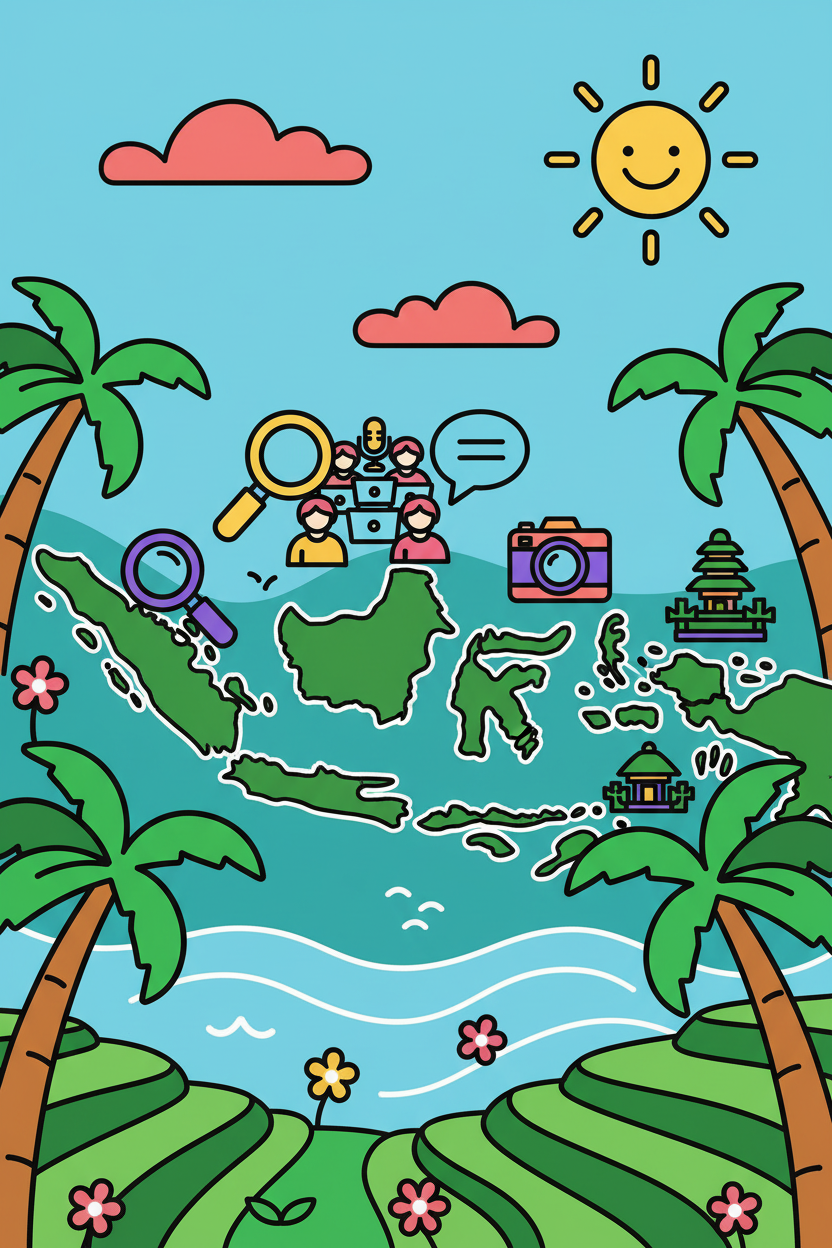
Estimated Monthly Budget for a Digital Nomad in Bali (USD)
| Expense Category | Mid-Range Budget (USD) | Comfort Budget (USD) |
|---|---|---|
| Accommodation (Guesthouse/Shared Villa) | $450 – $700 | $700 – $1,200 |
| Food & Dining | $350 – $500 | $500 – $800 |
| Coworking Space Membership | $100 – $150 | $150 – $250 |
| Transportation (Scooter & Fuel) | $70 – $100 | $100 – $150 |
| Health & Wellness (Yoga, Gym) | $50 – $100 | $100 – $200 |
| Leisure & Activities | $200 – $350 | $350 – $600 |
| Visas & Miscellaneous | $100 – $200 | $100 – $200 |
| Estimated Monthly Total | $1,320 – $2,100 | $2,000 – $3,400 |
The Real Cost of Living for a Digital Nomad in Bali
One of the biggest draws for a digital nomad in Bali is its affordability, but costs can vary significantly based on your lifestyle. A comfortable, mid-range budget typically falls between $1,500 and $2,500 USD per month.
This allows for a private room in a shared villa or a modern guesthouse, a mix of local warung meals and Western cafe visits, a coworking membership, and plenty of weekend exploring.
On the lower end, a budget of around $1,000 to $1,200 is possible if you are frugal. This would mean staying in a more basic “kost” (local-style boarding house), primarily eating at local spots, and limiting splurges.
On the higher end, a budget of $3,000+ per month opens the door to a private villa, fine dining, and more frequent luxury experiences. This cost structure is quite favorable, much like we explored in our detailed breakdown of digital nomad life and costs in Vietnam.
Your biggest expense will almost always be accommodation, which can account for 40-50% of your total budget. Food is incredibly affordable if you eat local, with delicious meals available for just a few dollars. According to Numbeo’s detailed cost-of-living analysis for Bali, a meal at an inexpensive restaurant costs around $2.50.
Transportation, primarily scooter rental, is also very cheap, costing around $80–$150 per month depending on scooter type, insurance, and location.
Bali’s Top Digital Nomad Hubs: Canggu vs. Ubud vs. Uluwatu
Choosing where to base yourself is one of the most important decisions for any digital nomad in Bali. The island offers diverse environments, each with a unique vibe. Your choice will shape your daily life, community, and overall experience.
Canggu: The Social Hub
Canggu is the undisputed epicenter of Bali’s digital nomad scene. It’s a bustling beach town known for its surf culture, trendy cafes, vibrant nightlife, and countless coworking spaces. If you thrive on social energy, networking, and having endless options for food and fun, Canggu is your spot.
The community is large and well-established, making it easy to meet people. However, it’s also the busiest and most traffic-congested area.
Ubud: The Spiritual & Wellness Center
Ubud, located in the island’s central highlands, offers a completely different experience. It’s the spiritual and cultural heart of Bali, surrounded by lush rice paddies and tropical jungles. The vibe is calmer, focused on yoga, wellness, and conscious living.
While it has a strong nomad community and great cafes, it lacks the party scene of the coastal towns. It’s ideal for those seeking focus, nature, and a more relaxed pace.
Uluwatu: The Surf & Cliffside Paradise
Located on the southern Bukit Peninsula, Uluwatu is famous for its world-class surf breaks, stunning limestone cliffs, and beautiful beaches. The nomad scene here is growing but is more relaxed and spread out than in Canggu. It’s perfect for surfers and those who prefer breathtaking scenery over bustling streets.
The area is less developed, offering a more rugged and adventurous feel, though new cafes and venues are constantly opening. You might also find unpacking digital nomad life and housing options in Portugal hotspots helpful.
Navigating Accommodation: From Guesthouses to Private Villas
Finding the right place to live is crucial for a comfortable digital nomad Bali experience. The island’s accommodation market is diverse, catering to all budgets and preferences. Most nomads opt for monthly rentals to secure better rates.
Guesthouses (Losmen): These are a fantastic and affordable option, especially when you first arrive. A room in a modern, clean guesthouse with a shared kitchen and pool typically costs $400–$700 per month depending on location and quality. They offer a great way to meet other travelers and are often family-run, providing a touch of local hospitality.
It’s a great starting point before committing to a longer lease.
Kost: For the budget-conscious, a local boarding house or “kost” is the cheapest option, often ranging from $200-$350 per month. Facilities are typically more basic, but it’s an authentic way to live. This process of finding a suitable long-term-but-flexible home shares some similarities with what remote workers experience when unpacking digital nomad life and housing options in Portugal hotspots.
Villas: The quintessential Bali dream is to rent a private villa. A one-bedroom private villa with a pool can range from $900–$2,000+ per month depending on location, amenities, and demand. For groups, sharing a larger multi-bedroom villa is a popular and cost-effective option.
Many digital nomads I know use Facebook groups like “Bali Long Term Rentals” to find these properties, often bypassing agency fees by dealing directly with owners.
When I first looked for a place, I made the mistake of booking for three months online before seeing it. The lesson learned: always book a short-term stay first and inspect long-term options in person before committing. Photos can be deceiving, and checking things like internet speed and water pressure is essential.
You might also find remote work in Mexico with its specific digital nomad visa requirements helpful.
Visas and Legalities: What You Need to Know
Understanding the visa situation is non-negotiable for a successful and legal stay as a digital nomad in Bali. For years, remote workers have used a patchwork of tourist and social visas to stay on the island, but the landscape is evolving.
Currently, the most common option is the B211A Social-Tourism Visa. This visa allows for an initial 60-day stay and can be extended twice, each time for another 60 days, allowing for a total stay of up to 180 days.
You can apply for this visa either directly through Indonesia’s official immigration website or through a visa agent, though many applicants use agents for convenience.
Indonesian visas such as the B211A do not officially authorize employment in Indonesia. However, remote work for foreign employers without Indonesian clients is commonly practiced, though not explicitly regulated. This is a different approach compared to the options available for those considering remote work in Mexico with its specific digital nomad visa requirements.
For more detailed information, it’s crucial to consult the official Indonesian Directorate General of Immigration website which outlines visa requirements and policies. Visa rules can change, so verifying information with an official source or a reputable visa agent is always the best practice. Agents can streamline the application and extension process, saving you significant time and potential headaches.
Indonesia has discussed introducing a digital nomad visa, but as of 2026, no official long-term digital nomad visa program has been fully implemented. Remote workers typically use the B211A visa or Temporary Stay Permit (KITAS) options. As of our last update, this visa is still in the final planning stages.
When launched, it will be a game-changer, formalizing Bali’s status as a premier global hub for remote work.
Lifestyle, Community, and Practical Tips for Thriving in Bali
Thriving as a digital nomad in Bali goes beyond just managing costs and visas; it’s about integrating into the lifestyle. The work-life balance here is exceptional, with world-class wellness activities, stunning nature, and a vibrant social scene right at your doorstep.
This creates a unique atmosphere that differs from what you might find as a digital nomad in Spain with its distinct city cultures and costs.
Internet and Coworking: While Bali’s internet has improved dramatically, it can still be inconsistent in some areas. Most cafes and accommodations offer Wi-Fi, but speed and reliability vary significantly depending on location and infrastructure. Popular spots like Tropical Nomad in Canggu or Outpost in Ubud offer excellent facilities and networking opportunities.
Transportation: The most common way to get around is by renting a scooter. It offers unparalleled freedom to explore hidden beaches and navigate traffic. Expect to pay around $70-$100 per month. Always wear a helmet and carry an international driving permit. Ride-hailing apps like Gojek and Grab are also incredibly cheap and convenient for both transport and food delivery.
Health and Safety: “Bali belly” is a real concern for many newcomers. Be cautious with tap water (never drink it) and stick to reputable restaurants, especially when you first arrive. Comprehensive travel insurance with medical coverage is an absolute must. For official travel advice, it’s wise to consult resources like the [U.S.
Department of State’s travel advisory for Indonesia](https://travel.state.gov/content/travel/en/international-travel/International-Travel-Country-Information-Pages/Indonesia.html) before your trip.
Key Takeaways
- A mid-range digital nomad budget for Bali is about $1,500-$2,500 USD per month.
- Canggu is for social energy, Ubud is for wellness and quiet focus, and Uluwatu is for surfers and scenery.
- The B211A Social-Tourism visa is the most common option, allowing up to a 180-day stay.
- Accommodation is the largest expense; book short-term first and inspect long-term options in person.
- Coworking spaces offer the most reliable internet, and renting a scooter is the best way to get around.
- Comprehensive travel insurance is non-negotiable for health and safety.
Frequently Asked Questions
Is Bali a good place for digital nomads in 2024?
Yes, Bali remains a top destination for digital nomads due to its affordable cost of living, strong community, and excellent work-life balance. The infrastructure for remote work, including fast internet at coworking spaces and cafes, continues to improve, making it a highly attractive and practical choice.
How much money do I need per month to live in Bali as a digital nomad?
A comfortable budget for a digital nomad in Bali is between $1,500 and $2,500 per month. This covers a modern guesthouse or shared villa, a mix of local and Western food, a coworking membership, and leisure activities. A budget of $1,200 is possible with a more frugal lifestyle.
What is the best visa for a digital nomad in Bali?
The B211A visa allows an initial stay of 60 days and can be extended up to two additional times for 60 days each, allowing a maximum stay of 180 days total. However, extension policies and eligibility depend on immigration approval and visa type. You must apply for this before arrival. Indonesia is also finalizing a long-term digital nomad visa, which is expected soon.
Is Canggu or Ubud better for digital nomads?
It depends on your preference. Choose Canggu if you want a vibrant social scene, surfing, and nightlife with many networking opportunities. Choose Ubud if you prefer a calmer, spiritual environment focused on yoga, wellness, nature, and deep work.
Conclusion
Living as a digital nomad in Bali can be an incredibly rewarding experience, offering a rare blend of productivity, adventure, and personal growth. From the social buzz of Canggu to the serene jungles of Ubud, the island truly has a corner for every type of remote worker.
While the cost of living is low, a successful transition requires a realistic budget, a clear understanding of visa options, and a willingness to adapt to the local rhythm.
In my experience, the biggest challenge is not the logistics but managing expectations and staying grounded amidst the paradise-like setting. It’s a journey of balancing work and play in one of the world’s most beautiful classrooms.
For a broader perspective on how Bali stacks up against other global hotspots, don’t forget to review our pillar post on where digital nomads thrive around the world with detailed cost and housing guides. Armed with the right information, you can make your Bali dream a sustainable reality.
Start planning your next travel adventure with TripMerge → tripmerge.com
For more insights, explore where digital nomads thrive around the world with detailed cost and housing guides.