Skip to content

Welcome to the ultimate digital nomad guide for anyone ready to trade their office for the world. The dream of working from a laptop on a beach is more attainable than ever, with global connectivity and a cultural shift towards remote work. Yet, the path is often cluttered with questions: Where can I afford to live?
How do I find a reliable place to stay? What are the real costs beyond the Instagram posts. For more details, check out unpacking all the details of digital nomad life in Portugal, from its hotspots to housing?
In my years of navigating this lifestyle, I’ve discovered that success isn’t just about picking a location; it’s about matching a place to your personal budget, work style, and social needs. It’s a puzzle of logistics, from visas to Wi-Fi speeds.
This comprehensive guide is built on extensive research and first-hand experience from the global nomad community, designed to give you clear, actionable answers. We’ll dismantle the myths and provide a realistic roadmap.
We understand that planning any trip, whether it’s a solo work adventure or a group getaway, can be overwhelming. The endless coordination and misaligned expectations are real challenges. This guide will not only help you find your ideal nomad destination but also give you the frameworks to plan effectively.
For instance, as you consider a European base, understanding the specific ins and outs is vital, which is why we created a deep dive into unpacking all the details of digital nomad life in Portugal, from its hotspots to housing. Our goal is to empower you with the knowledge to thrive, not just survive, on your remote work journey.
Table of Contents
- Southeast Asia: The Epicenter of Affordability and Adventure
- Europe: A Continent of Culture, History, and High-Speed Internet
- Latin America: Vibrant Cultures and Growing Nomad Communities
- The Rising Stars: Up-and-Coming Digital Nomad Destinations
- Your Accommodation Playbook: Mastering the Search for a Home Base
- The Nomad’s Toolkit: Navigating Finances, Visas, and Logistics
- Key Takeaways
- Frequently Asked Questions
- Conclusion
Southeast Asia: The Epicenter of Affordability and Adventure
For decades, Southeast Asia has been the quintessential starting point for digital nomads, and for good reason. It offers an unparalleled combination of low living costs, vibrant cultures, delicious food, and a well-established infrastructure for remote workers.
In my experience, this region is perfect for those new to the lifestyle, as it provides a soft landing with a massive expatriate and nomad community. The value you get for your money is extraordinary, allowing you to live a comfortable lifestyle on a budget that would be impossible in most Western countries.
Chiang Mai, Thailand, is often called the “capital” of digital nomadism. Its appeal lies in its incredibly low cost of living, friendly locals, and a relaxed atmosphere. You can find modern apartments for $300 to $700 per month depending on location and amenities, eat amazing street food for a dollar or two, and join one of the many coworking spaces packed with creative professionals.
Beyond the city, you have access to lush mountains, ethical elephant sanctuaries, and a rich Lanna Kingdom history. The community is so strong that you will find meetups, workshops, and social events happening almost every night of the week.
Further south, you’ll find another paradise for remote workers. While many think of beach clubs, the island offers so much more. Our detailed analysis of digital nomad living in Bali, including real costs and the best areas to live, shows a diverse environment. Areas like Canggu and Ubud have become global hubs, attracting yogis, surfers, entrepreneurs, and artists.
The island’s spiritual energy, combined with its beautiful landscapes and world-class cafes with fast, reliable internet, often fiber-optic in major nomad hubs, creates a unique work-life balance that is hard to match anywhere else in the world.
Common Mistake: Many newcomers only look at the monthly rental price but forget to budget for utilities like electricity, especially for air conditioning, which can be a significant extra cost in tropical climates. Always ask what’s included in your rent.
The transition to this region offers a chance to live an adventurous life without breaking the bank, setting the stage for exploring even more diverse continents like Europe.
You might also find: digital nomad living in Bali, including real costs and the best areas to live or where to live as a digital nomad in Vietnam with costs and accommodation insights helpful.
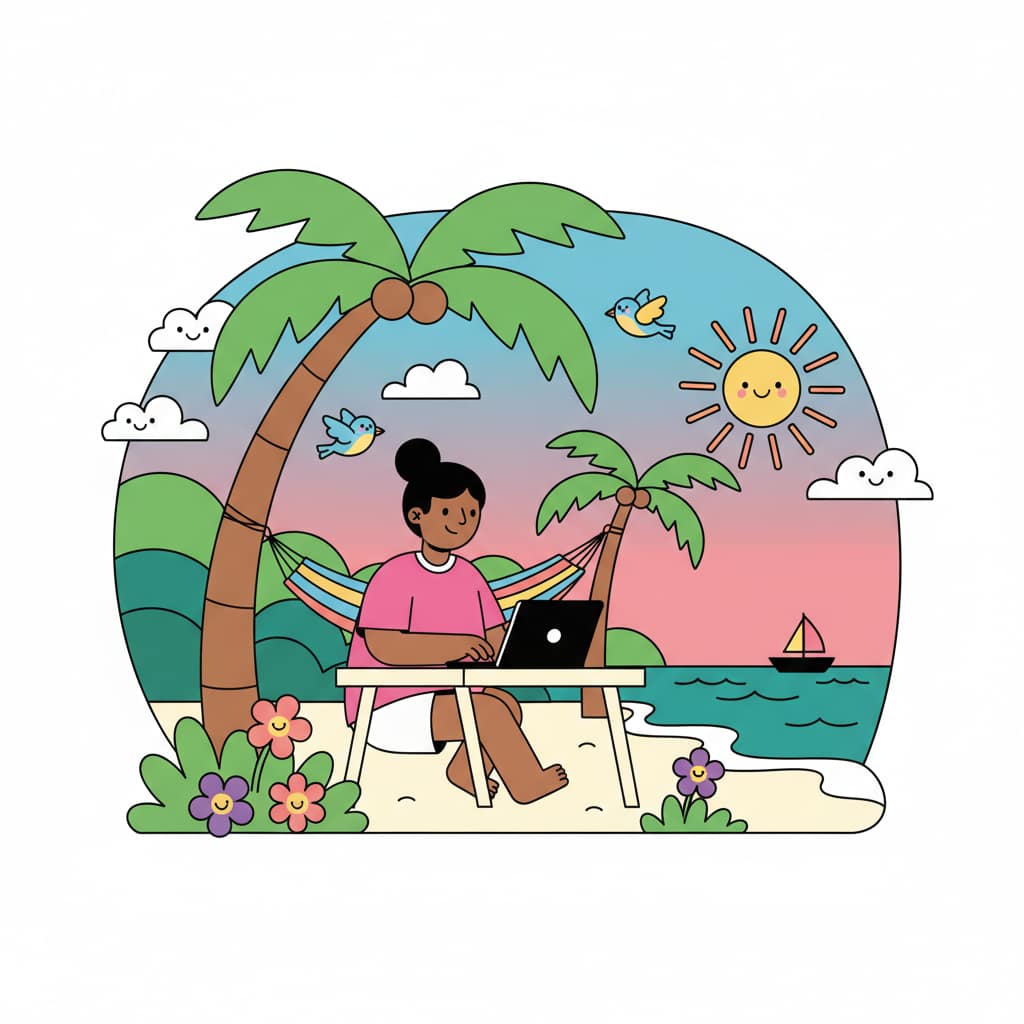
Cost of Living Snapshot: Chiang Mai vs. Bali
| Expense Category | Chiang Mai (USD/Month) | Bali (Canggu) (USD/Month) |
|---|---|---|
| Rent (1-BR Apartment) | $350 – $600 | $600 – $1,000 |
| Groceries & Food | $250 – $400 | $350 – $550 |
| Coworking Space | $80 – $150 | $150 – $250 |
| Transportation (Scooter/Ride-hailing) | $50 – $100 | $70 – $120 |
| Total Estimated Monthly Budget | $1,100 – $1,800 | $1,600 – $2,500 |
Europe: A Continent of Culture, History, and High-Speed Internet
Europe presents a different flavor of the digital nomad experience, one that blends deep history, diverse cultures, and excellent infrastructure. While generally more expensive than Southeast Asia, the continent offers unparalleled travel opportunities with easy access between countries.
My travels here have shown me that a European base allows for rich cultural immersion, from museum-hopping in ancient capitals to enjoying café culture in cobblestone streets. It’s a trade-off: higher costs for higher-quality infrastructure and a different kind of life experience.
Lisbon, Portugal, has exploded in popularity, becoming one of the world’s top nomad hotspots. The city’s appeal is multifaceted: it boasts beautiful architecture, a thriving tech scene, and a sunny climate. While costs have risen, it remains more affordable than cities like Paris, London, or Amsterdam, though costs have risen significantly in recent years. Government initiatives and a welcoming atmosphere for foreigners have made it a magnet for remote workers.
You can spend your mornings working from a stylish café and your afternoons exploring historic Alfama or surfing at a nearby beach. The city offers a compelling blend of old-world charm and modern energy.
For those seeking even greater affordability, Eastern Europe is a treasure trove. Budapest, Hungary, offers stunning architecture and a vibrant nightlife at a fraction of the cost of cities like Paris or London. Known as the “Pearl of the Danube,” its thermal baths, historic ruin bars, and grand boulevards provide a unique backdrop for remote work.
The internet is fast, public transport is efficient, and the city is incredibly walkable. It offers a high quality of life on a budget, making it an intelligent choice for savvy nomads.
As you weigh your options, our guide on digital nomad life in Spain with its costs, best cities, and accommodation tips can provide an excellent comparison point for life on the Iberian Peninsula.
Pro Tip: When renting in popular European cities, be prepared for more bureaucracy than in Asia. Landlords often require deposits of two or more months’ rent and may ask for employment verification. Using local Facebook groups and trusted rental platforms can help you navigate this process more smoothly.
From the historic capitals of Europe, we can now turn our attention to the vibrant and colorful landscapes of Latin America. You might also find digital nomad life in Spain with its costs, best cities, and accommodation tips helpful.
Latin America: Vibrant Cultures and Growing Nomad Communities
Latin America offers a unique blend of vibrant cultures, stunning natural landscapes, and a surprisingly affordable cost of living. For North Americans, the time zone alignment is a major advantage, making it easier to work with US-based clients and colleagues.
In my experience, the warmth of the people and the richness of the local traditions create an incredibly immersive and rewarding environment for digital nomads. This continent is a feast for the senses, from the rhythms of salsa to the complex flavors of its cuisine.
Mexico City has firmly established itself as a premier destination for remote workers. Its cosmopolitan vibe, world-class food scene, and abundance of cultural attractions make it an endlessly fascinating place to live. Neighborhoods like Condesa and Roma are filled with art deco architecture, beautiful parks, and countless cafes perfect for working.
Despite being a megacity, it offers a high quality of life for a reasonable price. You can explore ancient ruins in the morning and attend a gallery opening at night. The depth and breadth of experiences here are nearly limitless.
Of course, when considering this region, our full guide on all aspects of remote work in Mexico, including costs and top cities, is an essential read for anyone planning a stay.
Further south, Medellín, Colombia, has undergone a remarkable transformation to become a hub for innovation and entrepreneurship. While it has improved dramatically, nomads should still exercise caution and follow local safety advice. Once known for its troubled past, the “City of Eternal Spring” is now celebrated for its perfect climate, modern infrastructure, and friendly locals. The El Poblado neighborhood is the heart of the nomad scene, with numerous coworking spaces, cafes, and international restaurants.
The city’s investment in public transit, including a cable car system serving the hillside communities, is a testament to its forward-thinking vision. It’s an inspiring place to be, surrounded by innovation and lush green mountains.
Common Mistake: Underestimating the importance of basic Spanish language skills. While you can get by with English in major nomad hubs, learning even conversational Spanish will dramatically improve your experience, help you connect with locals, and allow for much smoother daily interactions, from negotiating prices to making new friends.
Latin America’s energy is infectious, but some nomads are always searching for the next frontier, the places just beginning to appear on the remote work map. You might also find all aspects of remote work in Mexico, including costs and top cities, helpful.
The Rising Stars: Up-and-Coming Digital Nomad Destinations
While cities like Chiang Mai and Lisbon dominate the conversation, a new wave of destinations is emerging, offering unique advantages for adventurous digital nomads. These “rising star” locations often provide lower costs, fewer crowds, and the exciting opportunity to be a pioneer in a developing scene.
I find that exploring these places can be incredibly rewarding, as you witness a community being built from the ground up and experience a culture before it becomes heavily influenced by mass tourism. They represent the new frontier of the remote work movement.
A prime example is Da Nang, Vietnam, a coastal city that is quickly gaining a reputation as a fantastic alternative to more crowded hubs. It offers beautiful sandy beaches, a modern and clean city layout, and some of the most delicious and affordable food in Southeast Asia.
Its proximity to the charming ancient town of Hoi An and the scenic Hai Van Pass adds to its appeal. For those diving into this location, a complete overview of where to live as a digital nomad in Vietnam with costs and accommodation insights is an invaluable resource for planning.
The internet is reliable, the cost of living is exceptionally low, and the expat community is growing but still tight-knit.
On the other side of the world, Tbilisi, Georgia, has become a darling of the nomad world. This is largely due to its incredibly progressive visa policy, which allows citizens of many countries to stay for up to one year visa-free under its liberal entry policy. The country also offers attractive tax incentives for freelancers and entrepreneurs.
Tbilisi itself is a city of contrasts, with ancient churches and futuristic architecture standing side-by-side. The food and wine culture is legendary, and the cost of living remains one of the lowest in Europe. It has a gritty, artistic energy that draws in creative types from all over the globe.
Pro Tip: When moving to an emerging hub, be more proactive about community building. Since there may not be as many formal meetups, you might need to take the initiative to organize events or connect with people through online groups. This proactive approach often leads to deeper, more meaningful connections.
While finding your perfect spot is key, securing the right place to live is the crucial next step in your journey. You might also find where to live as a digital nomad in Vietnam with costs and accommodation insights helpful.
Your Accommodation Playbook: Mastering the Search for a Home Base
Finding the right place to live is arguably the most critical and often stressful part of setting up in a new country. Your accommodation is more than just a place to sleep; it’s your office, your sanctuary, and your base for exploration.
My approach has always been to book a temporary stay for the first week or two, which gives me time to explore neighborhoods on the ground before committing to a long-term lease. This strategy allows you to get a feel for the city’s layout, test commute times, and avoid rental scams.
Never sign a long-term lease on a place you haven’t seen in person.
There are several types of accommodation to consider, each with its own pros and cons. Short-term rentals on platforms like Airbnb or Booking.com are perfect for your initial landing but are often the most expensive option. For longer stays, local rental websites and Facebook groups are invaluable resources.
In many countries, you can find furnished apartments for significantly less than what you’d pay on an international platform. Negotiating directly with a landlord can often secure you a better price, especially if you plan to stay for several months.
Co-living spaces have also become a popular choice, particularly for solo nomads looking to connect with a community instantly. These arrangements typically offer a private bedroom with shared common areas like kitchens, living rooms, and sometimes even a dedicated coworking space.
While the cost may be slightly higher than a private apartment, it includes utilities, internet, and a built-in social life. This can be an excellent way to combat the loneliness that sometimes accompanies the nomad lifestyle and provides a ready-made network of friends and collaborators.
Common Mistake: Paying a large deposit in cash without a signed contract and a receipt. Always insist on a formal lease agreement, even if it’s a simple one. Document the condition of the apartment with photos when you move in to avoid disputes over the security deposit when you leave.
With your housing strategy sorted, the next layer of planning involves managing your money and navigating the legalities of life abroad. For further reading, see comprehensive guides on Portugal’s D8 Digital Nomad Visa found on government websites.
The Nomad’s Toolkit: Navigating Finances, Visas, and Logistics
Being a successful digital nomad requires more than just a passport and a laptop; it requires you to become your own CFO and administrative department. Managing finances across borders, understanding visa regulations, and handling healthcare are the unglamorous but essential pillars of a sustainable nomadic life.
Based on my experience and the common pitfalls I’ve seen others encounter, getting these systems right from the start can prevent massive headaches down the road. It’s the structured backend that makes the freewheeling front-end possible.
The topic of visas is often the most confusing. Many nomads start by using tourist visas, making “visa runs” to a neighboring country to reset their stay. While common, this can be a legal grey area.
A growing number of countries are now offering specific “digital nomad visas.” These visas provide a clear legal framework to live and work remotely for an extended period, typically one to two years. Researching these options is crucial for long-term planning.
For example, comprehensive guides on Portugal’s D8 Digital Nomad Visa found on government websites provide authoritative information directly from the source, which is always the best approach.
Financially, the goal is to minimize international transaction fees and have access to your money wherever you are. Opening a bank account with a provider like Wise (formerly TransferWise) or Revolut is a game-changer. These services allow you to hold multiple currencies and offer debit cards with very low foreign exchange fees.
For taxes, the situation is complex and depends on your citizenship and residency. It is highly recommended to consult with a tax professional who specializes in expatriate and nomad tax law to ensure you remain compliant with your home country’s regulations.
Finally, never leave home without comprehensive travel and health insurance. Your domestic health plan will likely not cover you abroad. Many companies, such as SafetyWing and World Nomads, offer plans specifically designed for digital nomads, covering both medical emergencies and travel-related issues like lost baggage or trip cancellations.
As global remote work statistics from respected sources like Forbes show, this lifestyle is becoming a permanent fixture, making robust planning more important than ever. Organizing these logistics is similar to the challenges faced in group travel, where misaligned budgets can cause friction—a problem TripMerge aims to solve.
Key Takeaways
- Success as a digital nomad depends on matching a location to your budget, work style, and social needs.
- Southeast Asia (e.g., Chiang Mai, Bali) offers the lowest cost of living and a strong community, ideal for beginners.
- Europe (e.g., Lisbon, Budapest) provides rich culture and excellent infrastructure at a higher price point.
- Latin America (e.g., Mexico City, Medellín) is great for US time zone alignment and vibrant cultural immersion.
- Emerging hubs like Da Nang, Vietnam, and Tbilisi, Georgia, offer lower costs and the chance to be a pioneer.
- Always book short-term accommodation first to explore neighborhoods before committing to a long-term lease.
- Mastering logistics like visas, international banking (e.g., Wise), and nomad-specific insurance is essential for sustainability.
- TripMerge can help solve universal travel planning pains like budget alignment and logistical coordination, even for solo nomads.
Frequently Asked Questions
How do digital nomads handle taxes?
Taxes are one of the most complex aspects of the digital nomad lifestyle. The rules depend heavily on your citizenship and the tax laws of the countries you reside in. Most U.S. citizens, for example, must file taxes regardless of where they live. Many nomads can leverage the Foreign Earned Income Exclusion (FEIE) if they meet specific residency tests. However, you might also be liable for taxes in your host country. Due to the complexity, it is strongly recommended that you consult a tax professional specializing in expatriate and nomad tax situations to ensure full compliance and avoid costly mistakes.
What’s the best way to find reliable Wi-Fi abroad?
Reliable Wi-Fi is the lifeblood of any digital nomad. Before booking accommodation, I always confirm the internet situation with the host, asking for a speed test screenshot if possible. Coworking spaces are a guaranteed source of fast, stable internet. My pro tip is to always have multiple backup options. This includes a local SIM card with a generous data plan for tethering and, for critical work, a portable mobile Wi-Fi hotspot device. Apps like Workfrom or Nomad List also provide user-generated reviews of Wi-Fi speeds in cafes and other public spaces around the world.
Is being a digital nomad lonely, and how do you make friends?
Loneliness can be a real challenge, but it is entirely manageable with a proactive approach. The key is to put yourself in social situations immediately upon arrival. Co-living and coworking spaces are social life incubators. I also make extensive use of online communities—local Facebook groups for expats and nomads are invaluable for finding events and meetups. Don’t be afraid to attend workshops, join a local gym or sports club, or take language classes. The shared experience of being a foreigner in a new place often creates fast and strong bonds with other travelers and expats.
What kind of visa do most digital nomads use?
Historically, many nomads have operated in a legal gray area, using standard tourist visas and doing “visa runs” every 30-90 days. However, this is becoming riskier. The best and most sustainable approach is to use a dedicated digital nomad visa where available. A growing list of countries, including Portugal, Spain, Mexico, and others, now offer these, providing a clear legal right to reside and work remotely. Researching the specific requirements for these visas should be a top priority for anyone planning to stay in a country for more than a few months. Always check the official government immigration websites for the most accurate information.
How much money should I save before becoming a digital nomad?
There is no single magic number, but a common rule of thumb is to have at least three to six months of estimated living expenses saved up as an emergency fund. I also recommend having a separate “start-up fund” to cover initial one-time costs like your flight, visa fees, and apartment deposits. A comfortable starting figure for many is between $5,000 and $10,000 USD, depending on your chosen destination’s cost of living. Having this financial cushion provides peace of mind and gives you the freedom to handle unforeseen circumstances without the stress of running out of money.
What are the biggest mistakes new digital nomads make?
The most common mistake I see is a lack of financial planning. New nomads often underestimate their expenses and overestimate their initial income, leading to a stressful start. Another major error is trying to travel too fast. Moving to a new city every few weeks leads to burnout and prevents you from building community or a stable work routine. Finally, many neglect the “work” part of “remote work.” It’s crucial to maintain discipline and deliver for your clients or employer, as your income is the engine that powers the entire lifestyle. Slow down, budget carefully, and prioritize your work.
Conclusion
Embarking on the digital nomad journey is a profound decision that reshapes your relationship with work, travel, and life itself. As we’ve explored in this digital nomad guide, choosing the right destination is a delicate balance of cost, culture, community, and connectivity.
From the budget-friendly shores of Southeast Asia to the historic capitals of Europe and the vibrant landscapes of Latin America, there is a perfect place for every type of remote worker. The key is to move beyond the postcard images and engage in diligent research and honest self-assessment of what you truly need to thrive.
Success in this lifestyle is built on a foundation of solid planning. Mastering your accommodation strategy, understanding the nuances of visas and finances, and proactively building a community are the skills that separate a fleeting trip from a sustainable life of travel. The world is filled with incredible opportunities for those willing to do the groundwork.
You can draw inspiration from the diverse possibilities, such as the unique appeal detailed in our guide to digital nomad living in Spain with its welcoming cities and lifestyle, to find the fit that’s right for you.
Remember that while the journey might seem solo, the challenges of planning, budgeting, and coordination are universal to all travelers. We built TripMerge to solve these very problems, whether you’re aligning budgets for a group trip or planning your own multi-stop solo adventure. The anxiety of fractured communication and logistical chaos shouldn’t stand in the way of memorable experiences.
Let your journey be about discovery and connection, not spreadsheets and stress.
Start planning your next travel adventure with TripMerge →